WETEC

Lightning Warning System

Early warning of approaching lightning. Protecting outdoor workers, the public, and operations before the first strike.

Lightning Detection

The Warning Has to Come Before the First Strike

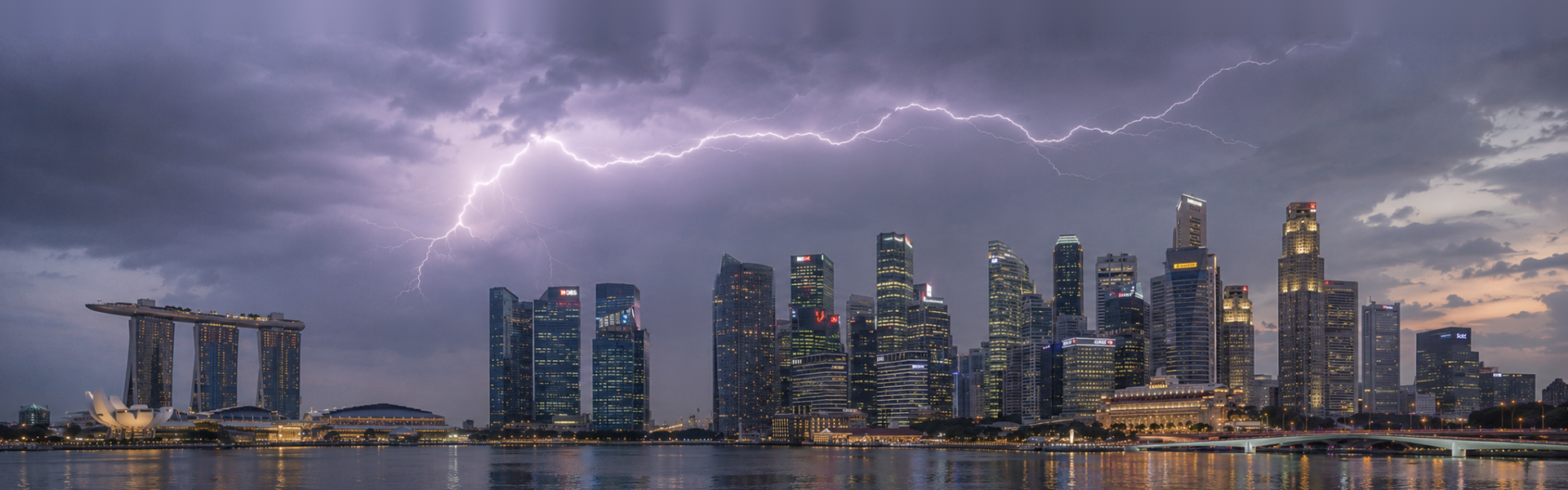
Singapore experiences among the highest rates of lightning activity in the world, with thunderstorms on most days of the year. Lightning is one of the few workplace hazards that can be fatal with no physical warning. The first strike can arrive before anyone hears thunder or sees rain.

A lightning warning system removes the guesswork. It tracks lightning activity in the surrounding region, monitors how close strikes are coming to the site, and triggers clear, automatic warnings in time for workers, athletes, or the public to reach shelter before lightning reaches the site. Wetec designs and installs lightning warning and alert systems for sites where outdoor safety cannot be left to chance.
How the System Warns

How the System Warns

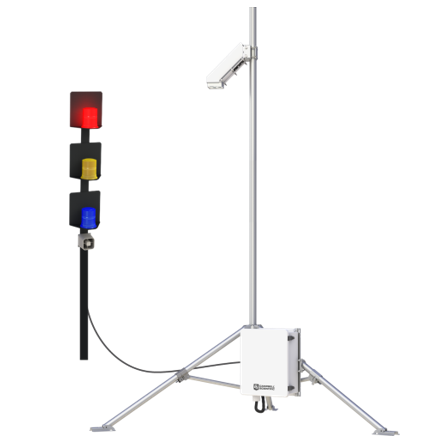
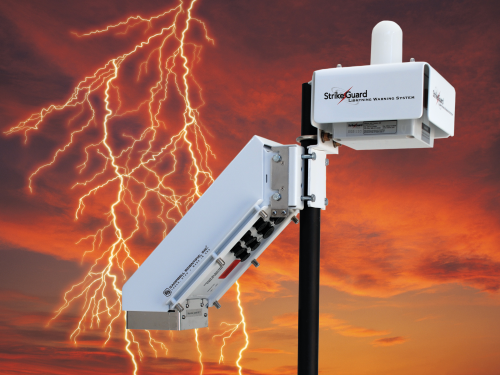
Wetec offers two methods of lightning warning. Users typically choose one of the two, based on site requirements and budget:

  • Lightning data via NEA web service: the system polls lightning location data from the NEA lightning web service and generates local warnings based on proximity to the site. A lower-cost option suitable for many sites.

  • On-site lightning detector: a localised sensor installed at the site detects electromagnetic signals from both cloud-to-cloud and cloud-to-ground lightning. Typically, more accurate for site-specific warnings, and not dependent on external data feeds.

  • Configurable detection radius: site-specific warning radius from a minimum of 2 km, set during system design to match the response time and clearance procedures of the site.

  • Staged alerts: graded warnings as risk rises, with all-clear once the threat has passed.

  • Automatic alerting: local strobe beacons and sirens trigger automatically on site. SMS and message-based alerts can be sent to safety officers and the broader team.

  • Compliance and standards: systems are specified to align with MOM and WSH Council adverse weather guidelines for outdoor work.

Where It Is Used

  • Construction sites, Ports, shipyards, and process industry
  • Schools, sports facilities, and swimming pools
  • Golf courses and outdoor recreation
  • Parks, public spaces, and event venues
  • Airports and outdoor logistics

Frequently Asked Questions

It depends on the detection method and the configured radius. The system warns as lightning activity approaches the site, with a detection radius set from a minimum of 2 km and configurable to match the response time needed to clear people to safety.