WETEC

Groundwater Monitoring System

Continuous water level, temperature, and conductivity monitoring for EMMP, remediation, and hydrogeological research in Singapore.

Overview

Groundwater Data That Holds Up to Scrutiny

Whether the goal is an EMMP submission, a remediation decision, or a research conclusion, the record matters. Continuous loggers capture how groundwater behaves over time while portable spot meters complete the picture for verification and routine checks.

Wetec installs groundwater monitoring systems for EMMP, contamination studies, hydrogeological research, and long-term baseline programmes across single wells or networks of hundreds.
What You Can Monitor

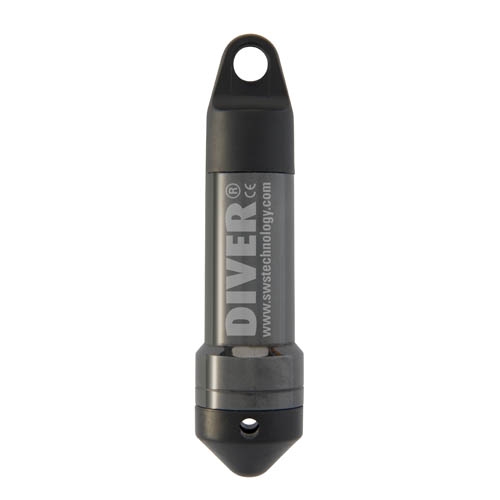
A standard groundwater monitoring deployment captures water level and pressure in standpipes and observation wells. Temperature is logged alongside as a baseline parameter and is also required for accurate temperature-corrected conductivity (EC) readings. Where salinity tracking, contamination indication, or general water quality screening is needed, conductivity is added through a combined level-temperature-conductivity logger.

Where absolute pressure loggers are used, an optional site Barologger records atmospheric pressure continuously to provide compensation for true water level data. Vented loggers do not require a separate barometric compensation.

For parameters beyond level, temperature, and EC — pH, dissolved oxygen, hydrocarbons, and others — see our Water Quality Monitoring System.

For pore water pressure monitoring with piezometers, inclinometers, and related geotechnical instrumentation, see our Structural Safety Monitoring System.

Continuous Logging and Manual Measurement — A Complete Approach

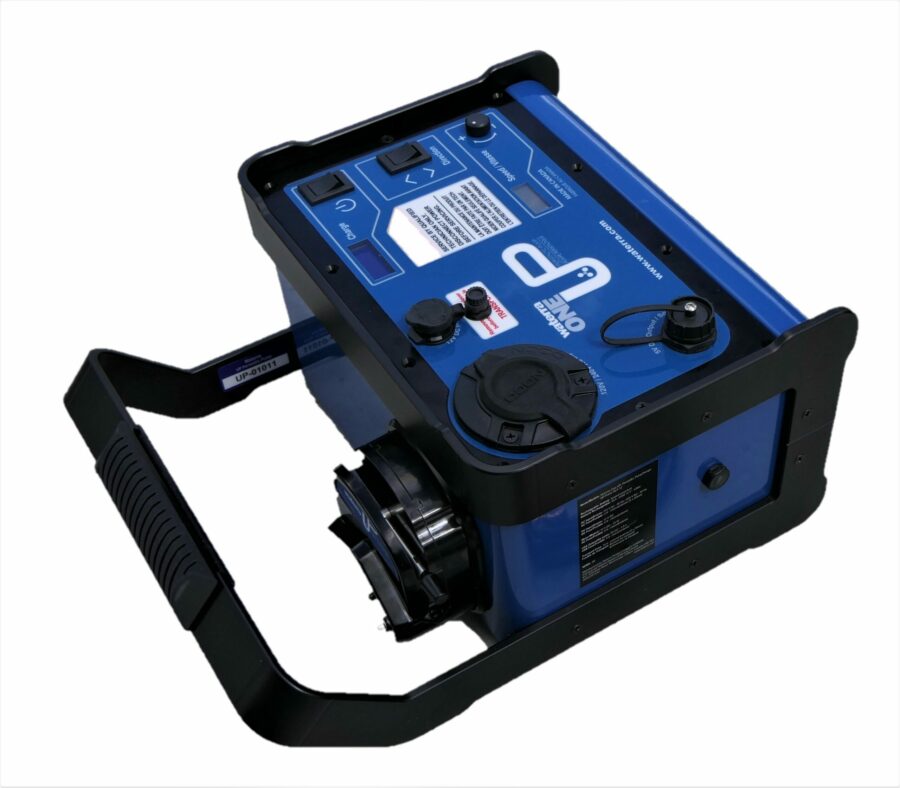
Continuous loggers give you the full temporal record. Portable meters give you the spot reading for verification, while bailers and pumps give you the bottled sample a laboratory still requires. A complete groundwater programme draws on all three, each available through Wetec.

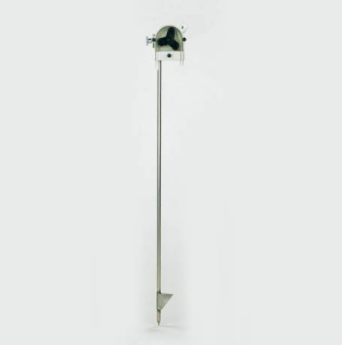
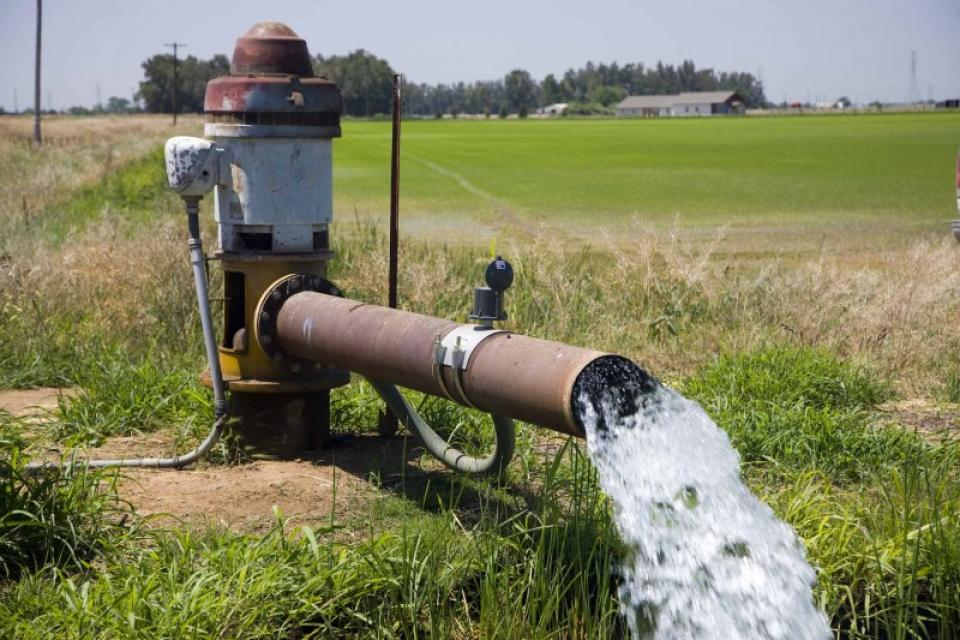
On the continuous side, dataloggers and pressure transducers are deployed in standpipes and observation wells, with live data, threshold alerts, and secure remote access. For manual verification, portable TLC meters (Temperature, Level, Conductivity) provide quick spot readings from a reeled probe. Ideal for site visits, logger verification, and routine checks. Simpler dip meters cover quick level-only readings, while bailers and low-flow pumps handle sample collection for laboratory analysis.

Where It Is Used

  • Environmental Monitoring and Management Plans (EMMP) — for development projects requiring groundwater baselines and ongoing monitoring
  • Contaminated land assessment and remediation monitoring — at industrial sites, land redevelopment, and plume tracking
  • Saline intrusion monitoring — in coastal aquifers vulnerable to seawater intrusion
  • Hydrogeological research and aquifer characterisation — university and agency fieldwork, water resources studies
  • Long-term baseline studies — for environmental impact assessments and climate adaptation programmes

Frequently Asked Questions

Both. Continuous loggers capture the full record. Portable TLC meters provide spot readings of level, temperature, and conductivity for verification and routine site visits. Bailers and pumps collect samples for laboratory analysis.