Building Moisture and Leak Detection

Portable moisture meters and inspection instruments for finding leaks, confirming floor readiness, and preventing moisture damage in buildings.

Overview

Moisture Is the Damage You Cannot See

In Singapore’s humid climate, moisture is one of the most common and costly problems in buildings. It drives mold growth, damages finishes, weakens materials, and causes flooring to fail. Yet most moisture problems stay hidden until the damage becomes visible, by which point repair is far more expensive than prevention would have been.

Portable moisture meters and inspection instruments reveal moisture before it causes harm. Inspectors and contractors use them to trace leaks, to confirm that a concrete slab is dry enough to receive a floor finish, and to check that timber is at the right moisture content before installation. Wetec supplies handheld moisture measurement and inspection instruments for building professionals across all of these tasks.

What You Can Measure and Detect

Wetec offers portable instruments across three main areas of building moisture work:

Building moisture and leak detection: moisture meters that scan walls, ceilings, and floors without damaging the surface, together with thermal imaging and humidity instruments that locate leaks, water ingress, and condensation problems. Used for leak tracing, water damage assessment, and inspection of the building envelope.

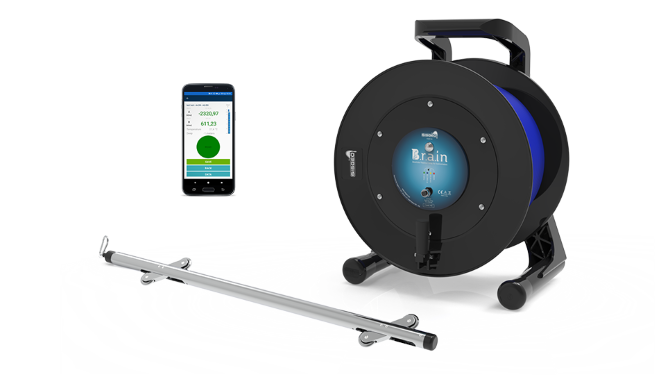
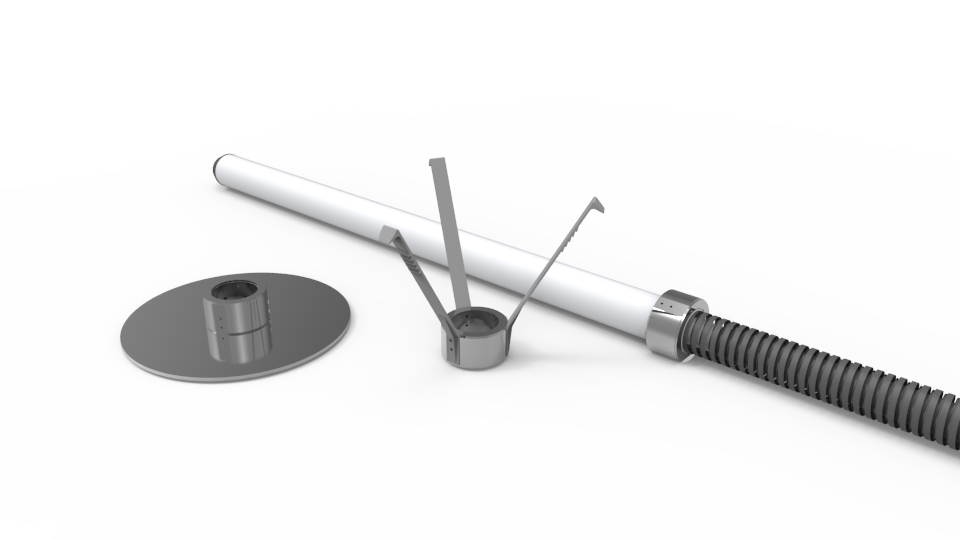
Concrete and screed moisture: instruments measuring the moisture inside concrete slabs and screeds, including probes that measure relative humidity deep within the slab in line with recognised test methods such as ASTM F2170. Essential for confirming that a slab is ready before laying vinyl, epoxy, resin, timber, or other floor finishes.

Timber and parquet moisture: meters measuring the moisture content of wood, with correction for different timber species. Used to check incoming timber and to confirm that flooring is correctly acclimatised before and during installation, avoiding warping, cupping, gaps, and other defects caused by moisture.

Supporting measurements: temperature, humidity, and dew point instruments that record the ambient conditions affecting how moisture behaves, supporting both inspection and documentation.

Where It Is Used

  • Building inspection and surveying: leak tracing, damp diagnosis, and moisture assessment in occupied and new buildings
  • Flooring contractors: confirming slab and timber readiness before installing floor finishes
  • Waterproofing and restoration: assessing water damage, tracking drying progress, and verifying the success of remedial work
  • Facility and building management: monitoring known problem areas and confirming that repairs have worked
  • Construction quality control: checking moisture sensitive materials and conditions during fit out
  • Insurance and dispute assessment: documenting moisture conditions for claims and reports

Frequently Asked Questions

Concrete and screed hold construction moisture for a long time. If a floor finish such as vinyl, epoxy, resin, or timber is laid before the slab is dry enough, that trapped moisture can cause the finish to blister, debond, or grow mould. The result is costly failure and rework. Measuring slab moisture, particularly the relative humidity deep within the slab, confirms that the slab is ready and protects against flooring failure. This is one of the most common and avoidable problems in construction.