WETEC

Structural Health Monitoring

Continuous monitoring of movement, strain, vibration, and load in structures. For buildings, bridges, tunnels and excavations, and railways.

Overview

Structures Move Before They Fail

Every structure moves. Buildings settle, bridges flex, tunnels converge, and the ground shifts as nearby construction proceeds. Most of this movement is normal. The difficulty is knowing when movement crosses from normal into a sign of distress and catching that change early enough to act. By the time cracks or deflections are visible, the underlying movement has often been developing for a long time.

Structural health monitoring measures this movement continuously and objectively. Sensors track tilt, crack width, strain, settlement, vibration, and load, and the system sends automatic alerts when readings cross defined thresholds. In Singapore, this monitoring is also a regulatory requirement for many projects. The BCA requires instrumentation and monitoring for a range of building and geotechnical works, and the LTA imposes strict monitoring requirements for any work near the rail network. Wetec designs and installs structural and geotechnical monitoring systems that meet these requirements and bring every sensor into a single automated platform.
What You Can Monitor

A Wetec structural health monitoring system combines the sensors appropriate to each structure and risk:

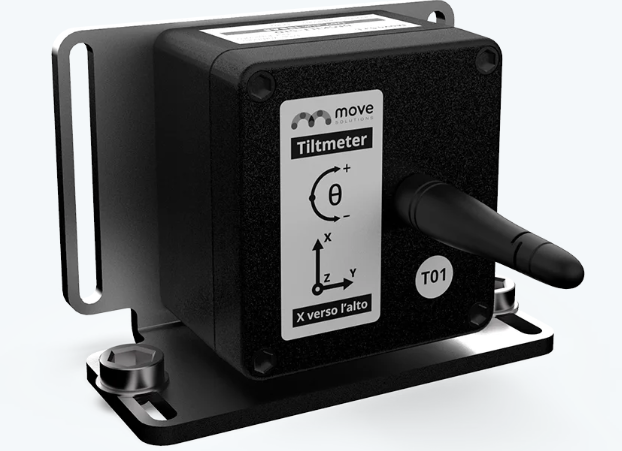
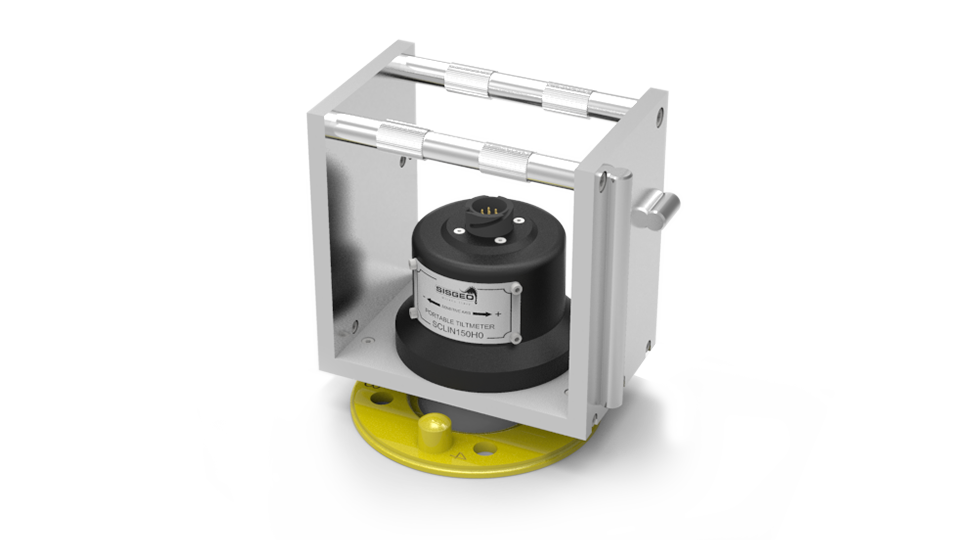
  • Tilt and rotation: tiltmeters and inclinometers measuring the lean or rotation of walls, columns, retaining structures, and buildings.

  • Movement and displacement: automated total stations and displacement sensors tracking the position of many points across a structure or site in three dimensions.

  • Crack and joint movement: crackmeters and jointmeters measuring changes in the width of cracks and joints over time.

  • Strain and load: strain gauges and load cells measuring the forces in structural members, struts, anchors, and supports.

  • Settlement: liquid level and other settlement systems measuring the vertical movement of foundations, floors, and ground.

  • Vibration: sensors measuring the vibration and dynamic response caused by construction, traffic, trains, or other activity, protecting sensitive structures from damage.

  • Groundwater and ground movement: piezometers and related sensors measuring pore water pressure and ground behaviour, where structural and geotechnical risks are linked.

Where It Is Used

  • Buildings and adjacent structures: protecting existing buildings affected by nearby construction from settlement and movement, and tracking the long term health of completed buildings. Required by the BCA for many developments
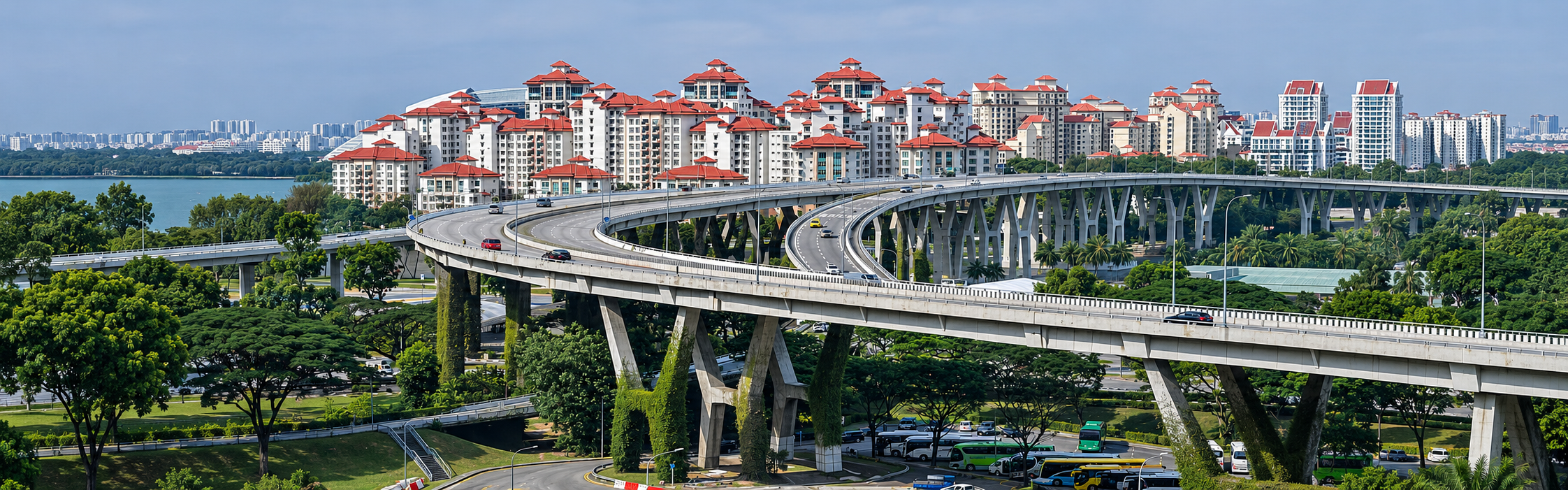
  • Bridges: monitoring deflection, strain, vibration, bearing movement, and load on road and pedestrian bridges, supporting both construction and the long term management of ageing structures
  • Tunnels and excavations: monitoring ground movement, convergence, settlement, strut and anchor loads, and the protection of surrounding buildings and utilities during deep excavation and tunnelling. Central to urban construction in Singapore, where deep basements and underground works sit close to existing structures
  • Railways and transit corridors: monitoring track and structure movement, vibration, and the impact of nearby construction on rail infrastructure, in line with the strict protection requirements of the LTA for work near the rail network
  • Heritage and sensitive structures: monitoring fragile or conservation status buildings during adjacent works, where even small movements carry high consequence

Frequently Asked Questions

Structural and geotechnical monitoring is a requirement for many projects in Singapore. The BCA requires instrumentation and monitoring plans for a range of building and geotechnical works, including deep excavation and works affecting adjacent buildings. The LTA imposes strict monitoring requirements for any work within the rail protection zones. The exact requirements depend on the project type, scale, and location, and are set by the qualified person. Wetec designs systems to meet and support these requirements.