WETEC

Sludge Solids and Dewatering Monitoring System

Real time solids measurement across the sludge line, from thickening to dewatered cake and dried sludge.

Solids Measurement

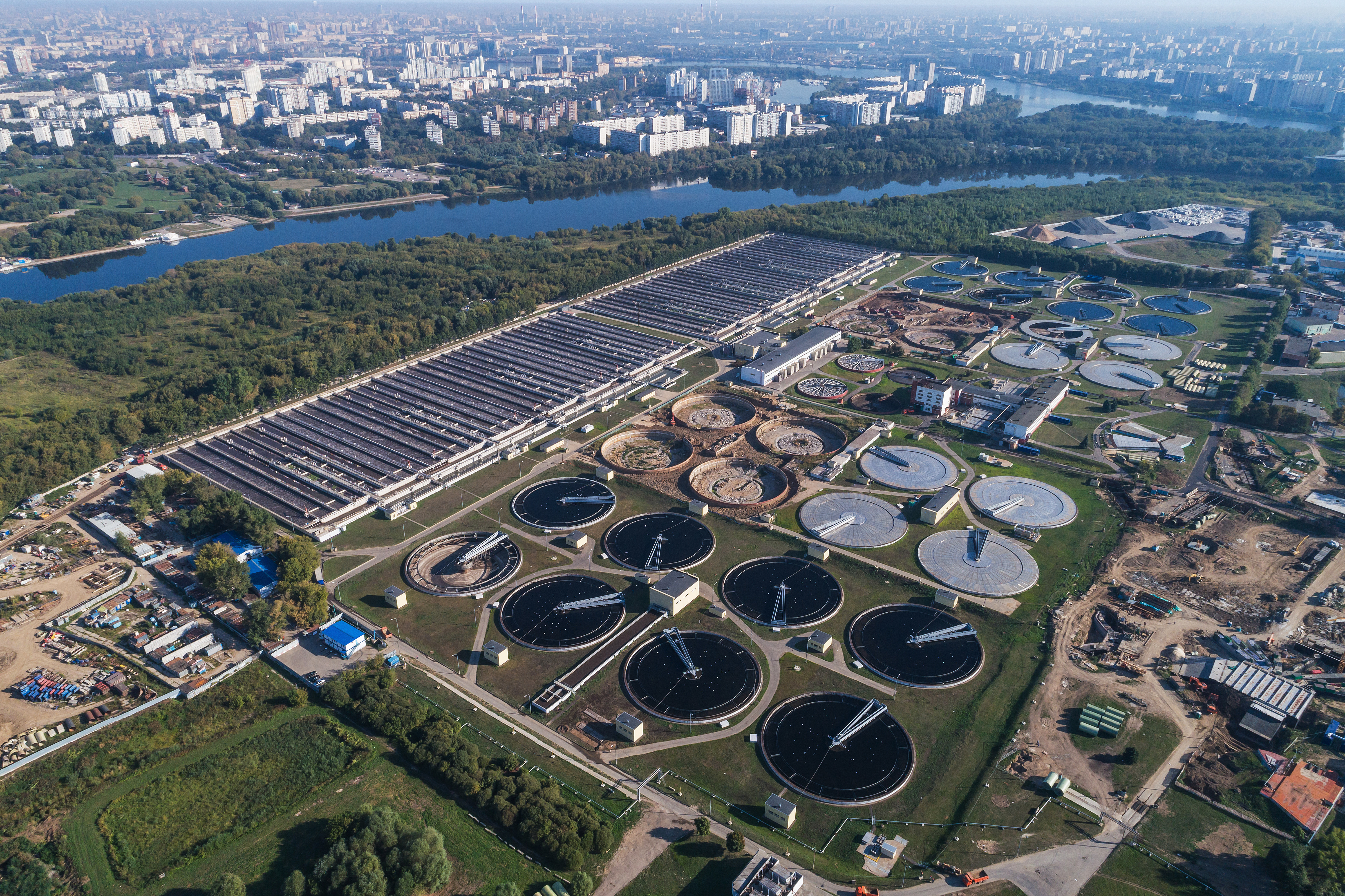
Sludge handling is one of the biggest running costs at any water reclamation or industrial wastewater treatment plant in Singapore. Polymer, centrifuge energy, dryer fuel and the cost of trucking and disposing of wet sludge all add up, and most of what is hauled away is still water. Yet many plants still run dewatering on visual checks and a few laboratory samples a day, so polymer is overdosed to stay safe, centrifuges run harder than needed and cake leaves wetter than it should. Wetec supply complete sludge solids monitoring systems that measure solids continuously at every key point of the sludge line, giving operators the live data they need to dose the right amount of polymer, run equipment efficiently and send out drier cake. Delivered end to end and maintained long term.
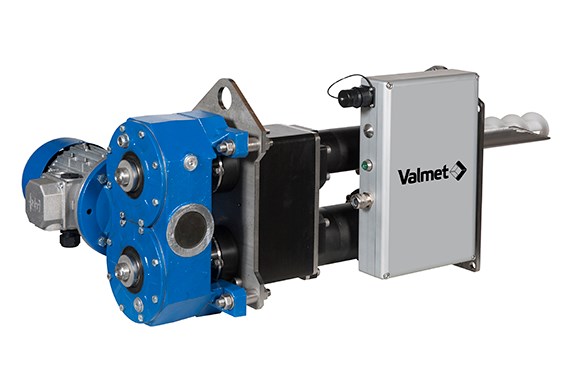
What Can Be Measured

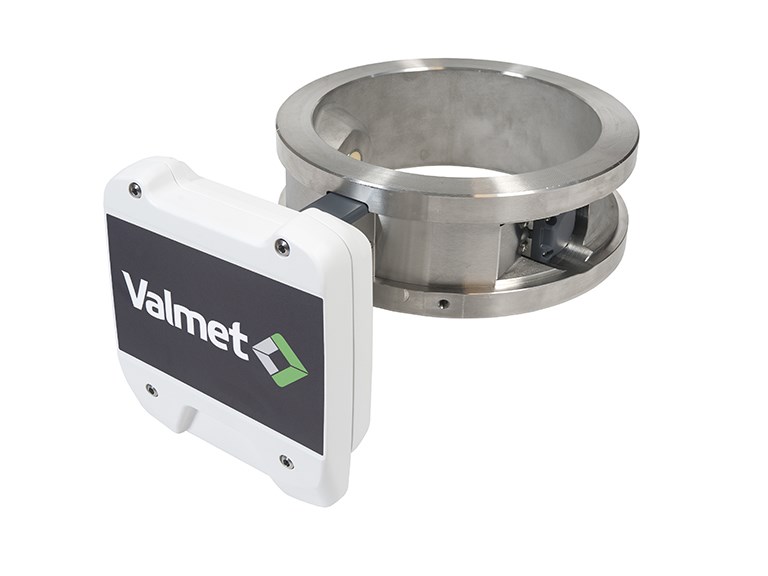
  • Total Solids (Inline in Pipes): solids content from 0 to 40% in primary sludge, secondary sludge, thickened sludge, digester feed and centrifuge feed, measured directly in the pipeline.

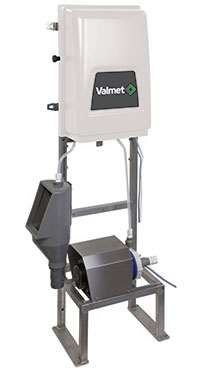
  • Low Solids (Centrate, Filtrate and Effluent): suspended solids from 0 to 5,000 mg/L, plus an entrained air index that signals polymer overdosing. Shows how much solids escape the centrifuge or press and return to the plant.

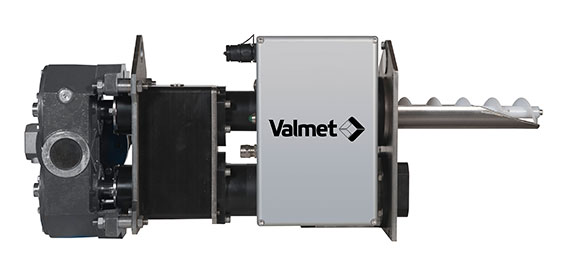
  • Dry Cake Solids (After Dewatering): solids content from 15 to 35% in cake leaving a centrifuge, screw press or filter press, sampled continuously from the falling cake.

  • High Solids (Dryer and Incinerator Feed): solids above 30% in dried sludge and other high consistency materials, so dryers deliver exactly the moisture level the next stage needs.

How It Saves Cost

  • Lower polymer spend: polymer can make up 15 to 25% of dewatering costs. Dosing to live solids data instead of a safety margin cuts consumption, and plants have reported polymer savings of around 20% [2].

  • Lower sludge disposal and transport cost: drier cake means fewer tonnes and fewer truck trips. See the table below.

  • Lower energy use: knowing the solids content lets operators stop unnecessary pumping of thin sludge and run centrifuges at the right torque. One plant reported 7% lower centrifuge energy [3].

  • Lower dryer and incinerator fuel: feeding dryers at a steady, known moisture level avoids over drying. One industrial sludge dryer cut fuel use per unit of moisture by 5.5% [4].

  • More plant capacity: less solids in centrate means less load recycled back to the head of the plant.

  • Less laboratory work: continuous readings replace most routine manual sampling and oven tests.

Return On Investment

Sludge costs recur every day, savings start from the first week of operation. Reference plants overseas show what is possible:

  • A municipal plant in Finland recovered its full investment in about 1.5 years through lower sludge reprocessing costs [1]

  • A municipal plant in South Africa cut polymer use by about 20% [2]

  • A plant in Ireland combined solids measurement with automatic dewatering control and cut centrifuge energy by 7%, reaching about 18% cake dry solids [3]

  • An industrial sludge dryer in Japan cut fuel use per unit of moisture by 5.5% [4]

Wetec can prepare a site specific ROI estimate using your sludge volume, current cake dryness, polymer price and disposal cost, so you see the expected payback before you commit.

References:

[1] Vaasa Water, Pått WWTP, Finland (2023)

[2] Mitchells Plain WWTW, Cape Town, South Africa (2019)

[3] Irish Water, Athlone WWTP, Ireland

[4] Nippon Steel Engineering, Japan (2023)

Applications

  • Water reclamation plants and municipal sludge treatment

  • Industrial wastewater treatment plants with sludge dewatering

  • Centrifuge, screw press, belt press and filter press optimisation

  • Primary and secondary clarifiers, thickeners and digesters

  • Sludge drying, incineration and waste to energy plants

  • Food and beverage, pharmaceutical, petrochemical and pulp and paper effluent plants

Frequently Asked Questions

It depends on your sludge volume, polymer price and disposal cost. Reference plants have recovered their investment in about 1.5 years. Wetec can estimate payback for your plant before you buy.