WETEC

Plant Health and Light Measurement

Direct measurement of the light plants receives and the signals plants express. For research, plant breeding, vertical farms, and indoor agriculture.

Lights for Plant

What Plants Receive, What Plants Show

Plants respond to light in ways human eyes do not perceive. A bright room can be too dim for vegetable growth. A light source that looks white may be missing the red wavelengths that drive flowering. Standard light meters and lux meters measure brightness for human vision, not the light that plants actually use for photosynthesis and growth.

Plant health follows a similar pattern. By the time a plant shows visible stress, the decline has often been measurable for days or weeks. Sensors that do not damage the plant can track chlorophyll content, leaf reflectance, water status, and growth, picking up changes long before they become visible.

Wetec supplies instruments for both sides of this relationship. Measuring the light that plants receive, and the plant signals that result.
What You Can Measure

Wetec plant health and light measurement systems include the following options, used singly or combined into an integrated monitoring setup:

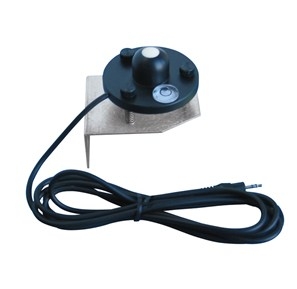
  • Photosynthetically Active Radiation (PAR): quantum sensors measuring the 400 to 700 nm light that plants use for photosynthesis. Suitable for greenhouses, vertical farms, research plots, canopy studies, and outdoor agricultural sites.

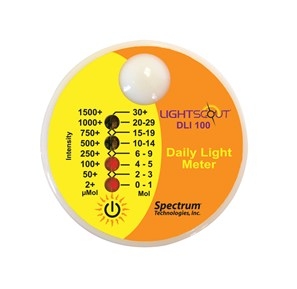
  • Daily Light Integral (DLI): cumulative PAR over a day, the figure that growers use to plan light delivery and assess productivity in indoor and protected cultivation.

  • Light quality and spectrum: spectral measurements including the red and far red ratio, blue and red ratio, UV, and full spectrum analysis. These influence plant morphology, flowering, and growth.

  • Chlorophyll content and vegetation indices: sensors measuring chlorophyll content (SPAD) and vegetation indices such as NDVI, derived from leaf or canopy reflectance. Early indication of stress, nitrogen status, and overall plant condition.

  • Chlorophyll fluorescence: quantum yield and stress indicators based on the fluorescence emitted by the plant. A widely used research metric for photosystem function and early stress detection.

  • Sap flow and plant water relations: sap flow sensors and dendrometers measuring stem water movement and stem growth. Useful for plant water use studies, irrigation research, and continuous tracking of plant water status.

Where It Is Used

  • Plant breeding and crop research: screening varieties for light response, growth, water use, and stress tolerance
  • Vertical farms and indoor agriculture: optimising light delivery, tracking plant health, and managing energy use in controlled environments
  • Greenhouse and protected cultivation: managing light, growth, and water use in commercial growing operations
  • Plant stress and climate research: measuring plant response to drought, heat, light, and other environmental stress
  • Forest and ecosystem research: canopy light environments, productivity, and plant water relations in natural and managed ecosystems
  • Urban greenery research: assessing how trees, parks, and green spaces perform across different light and growing conditions

Frequently Asked Questions

Standard light meters and lux meters measure brightness as perceived by the human eye. Plants use a different range of light, specifically the 400 to 700 nm photosynthetically active radiation band. PAR sensors measure light in the right units for plant science, µmol per m² per second, which corresponds to the photons available for photosynthesis.