WETEC

Solar PV Monitoring System

Bankable performance data and yield diagnostics for rooftop, ground-mount, and floating PV plants. Aligned with IEC 61724-1 performance monitoring standards.

Solar Efficiency

What the Plant Receives, and What It Returns

A solar plant's yield depends on two figures: the solar energy that reaches the modules, and the electrical energy the modules deliver. Inverter data tells you the second figure, but says nothing about the first. Without measured irradiance, you cannot tell whether a quiet day was caused by clouds, soiling, shading, panel degradation, or an inverter problem.

That gap matters most when it carries financial consequences. Performance ratio (PR) reporting, EPC acceptance testing, performance-guarantee verification, and investor or lender reporting all require independent, calibrated measurement of the resource entering the plant.

Wetec specifies and integrates Solar PV monitoring systems built around the IEC 61724-1 standard, scaling from single-rooftop reference setups to utility-scale plant monitoring with multiple meteorological stations and soiling measurement.
What You Can Monitor

Wetec Solar PV monitoring systems include the following measurements, deployed singly or combined into a full IEC 61724-1 compliant station:

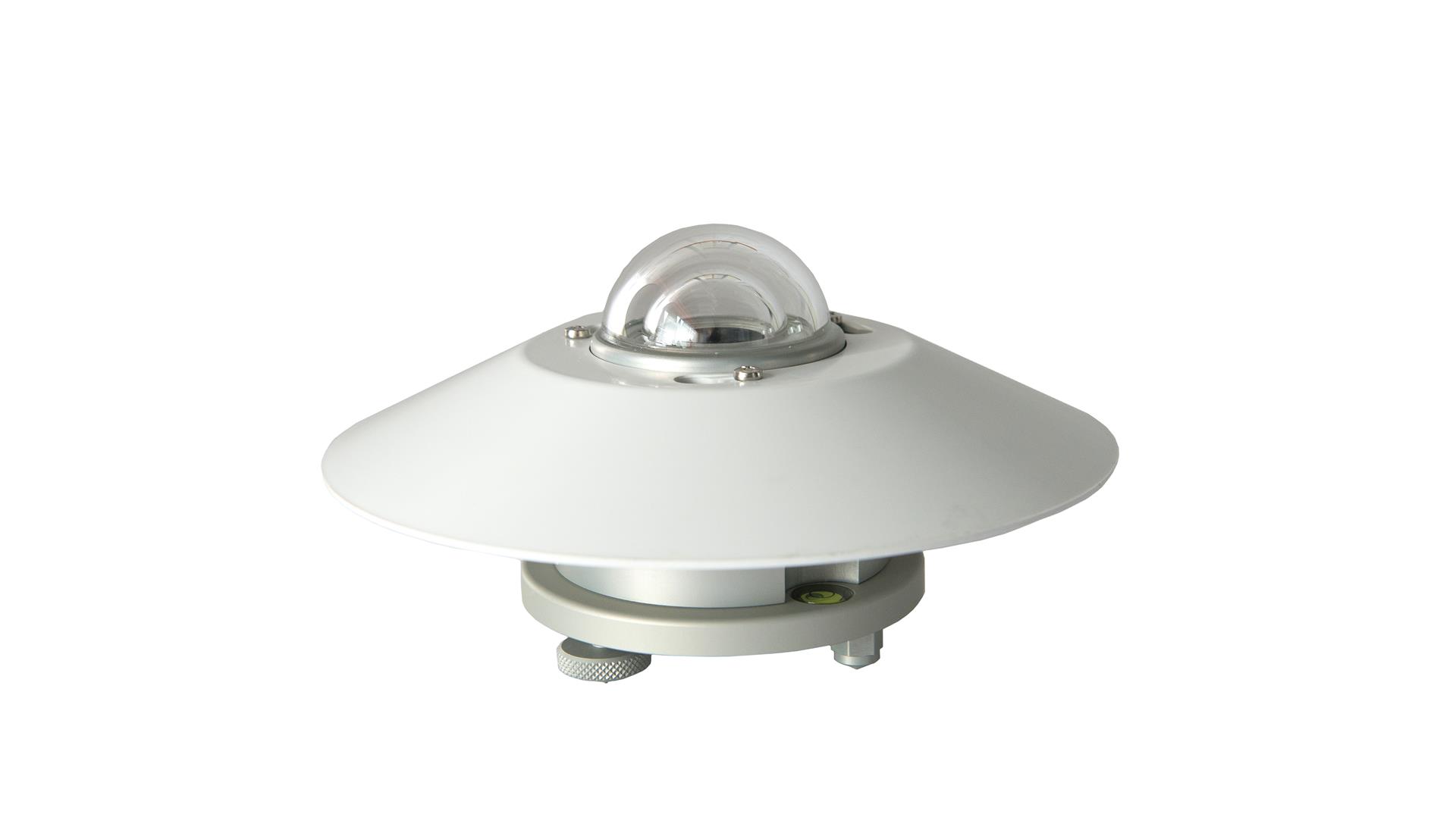
  • Global Horizontal Irradiance (GHI): secondary-standard or first-class pyranometers measuring total shortwave solar radiation on a horizontal plane. The base reference for resource assessment and PR calculation.

  • Plane-of-Array (POA) irradiance: pyranometers or reference cells tilted to match module orientation, measuring the irradiance the panels actually see. Required for accurate performance ratio reporting under IEC 61724-1.

  • Direct Normal Irradiance (DNI) and Diffuse Horizontal Irradiance (DHI): pyrheliometer and shaded pyranometer on a sun tracker, used for bifacial plant analysis, concentrator PV, and detailed resource studies.

  • Module (back-of-panel) temperature: PT100 or thermocouple sensors bonded to the back of representative modules, providing the cell-temperature input used in performance modelling.

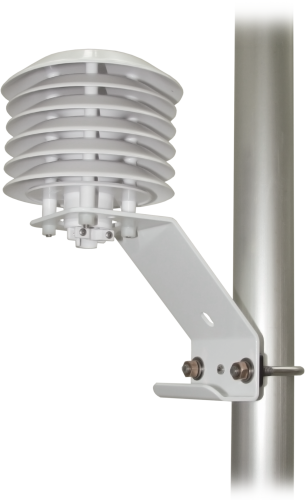
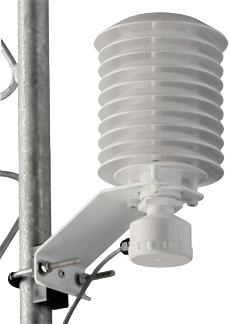
  • Ambient weather: air temperature, relative humidity, wind speed, and wind direction sensors used in performance models, soiling analysis, and safety thresholds for cleaning crews.

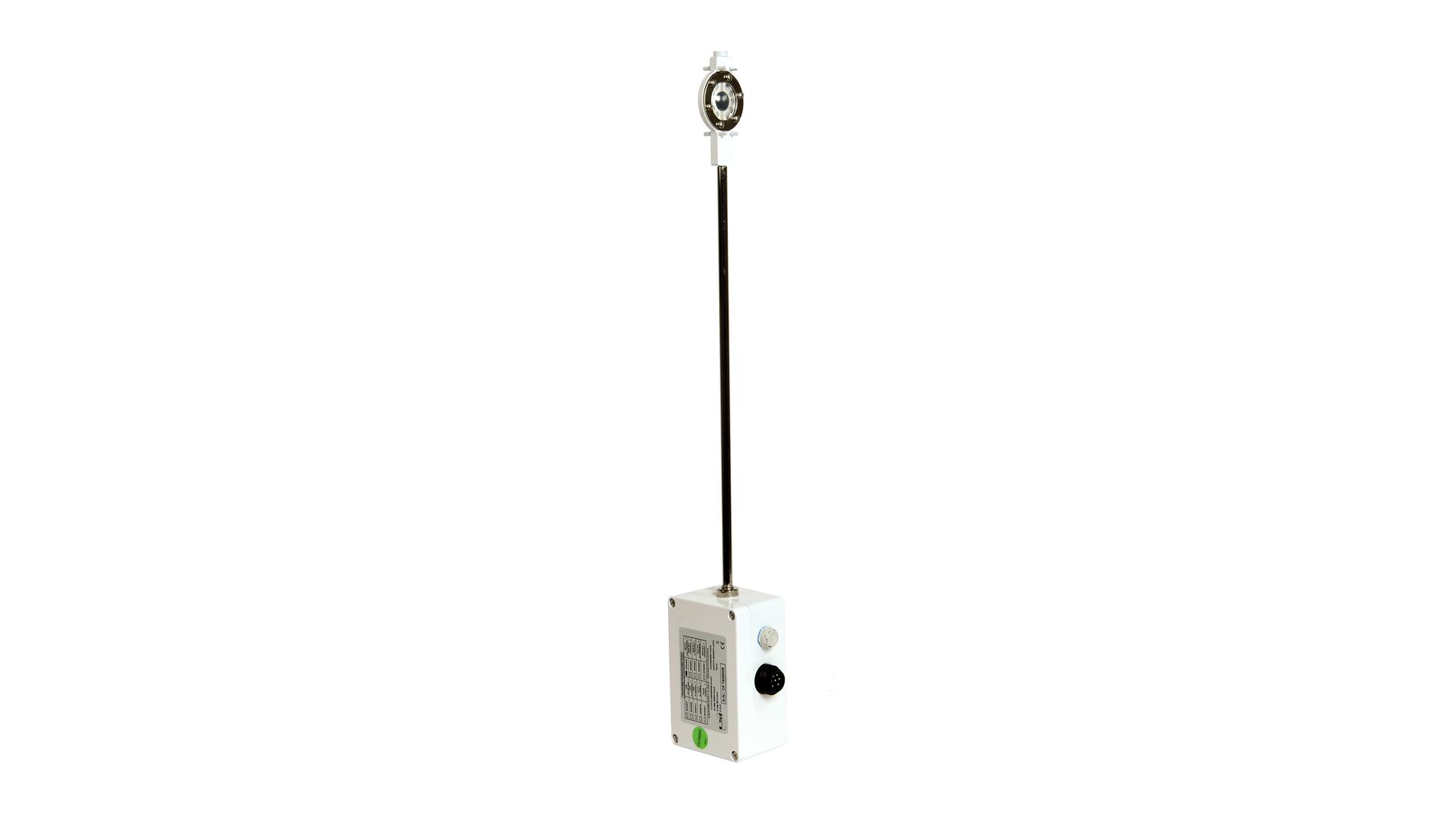
  • Soiling and cleaning losses: soiling measurement devices that quantify the daily yield loss caused by dust, pollen, and particulates, supporting data-driven cleaning schedules instead of fixed monthly cycles.

  • Albedo for bifacial plants: an upward and downward pyranometer pair measuring ground-reflected irradiance, required for accurate bifacial-gain modelling.

Where It Is Used

  • Utility-scale solar farms and ground-mount PV plants
  • Commercial and industrial (C&I) rooftop installations
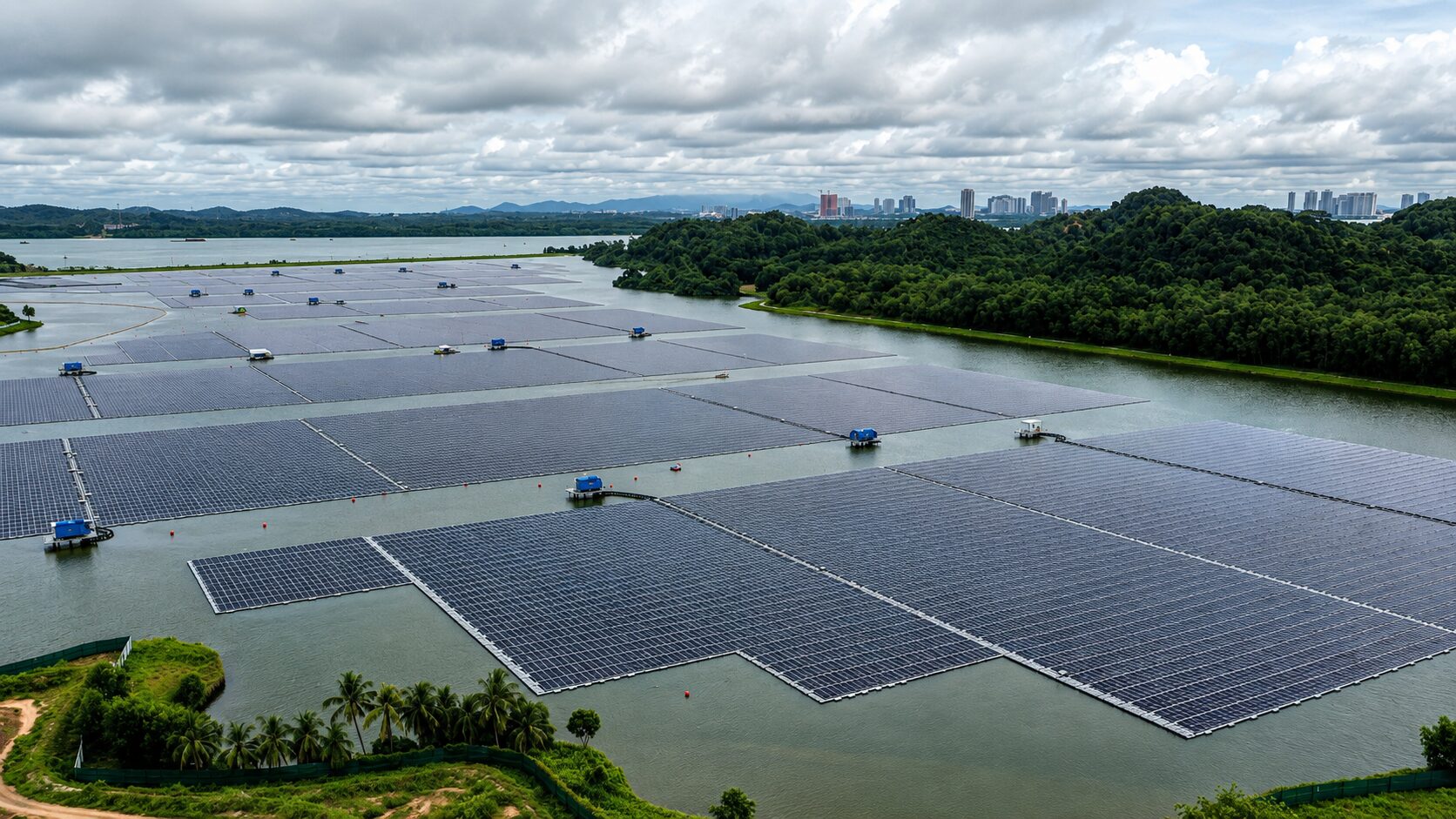
  • Floating solar (FPV) projects and reservoir installations
  • EPC commissioning, acceptance testing, and PR verification
  • Research and reference PV plants
  • Renewable energy asset management portfolios and O&M operators
  • Solar resource assessment for new project development

Frequently Asked Questions

Inverter data tells you what the plant produced, not what it should have produced. Without independent measurement of irradiance and module temperature, you cannot calculate the expected yield, which means you cannot identify underperformance, soiling losses, or module degradation. Independent measurement is also required by most bankability and performance-guarantee frameworks.