

SISGEO
Wire Crackmeters
InfrastructureGeotechnical Instrumentation
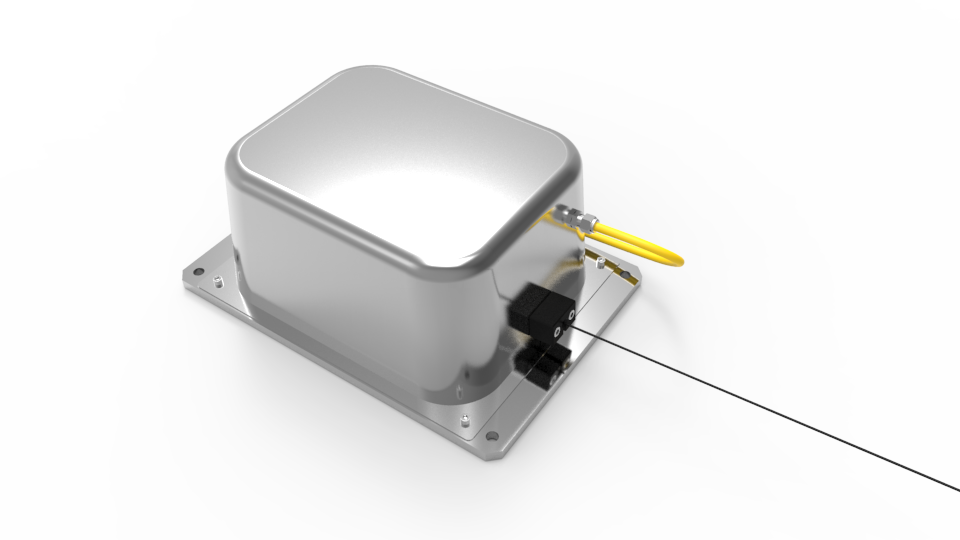
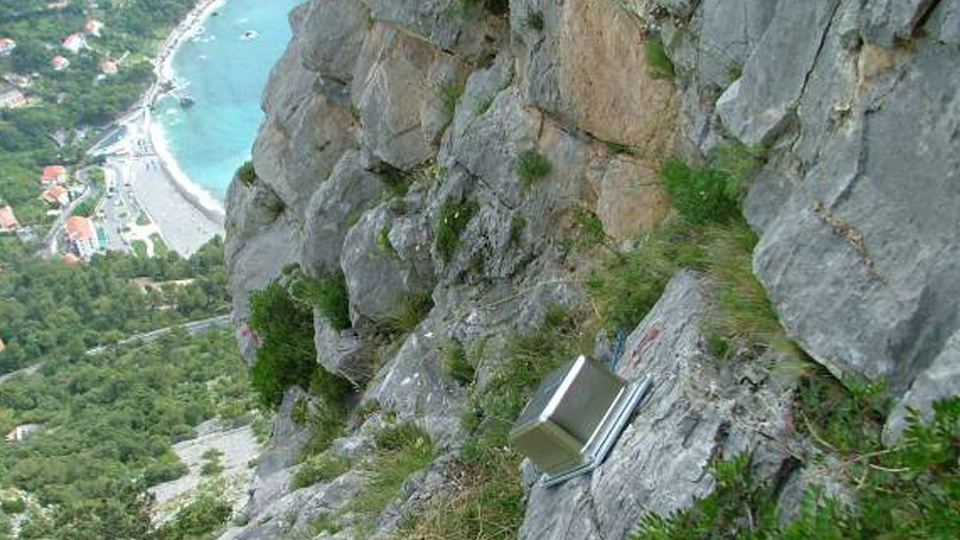
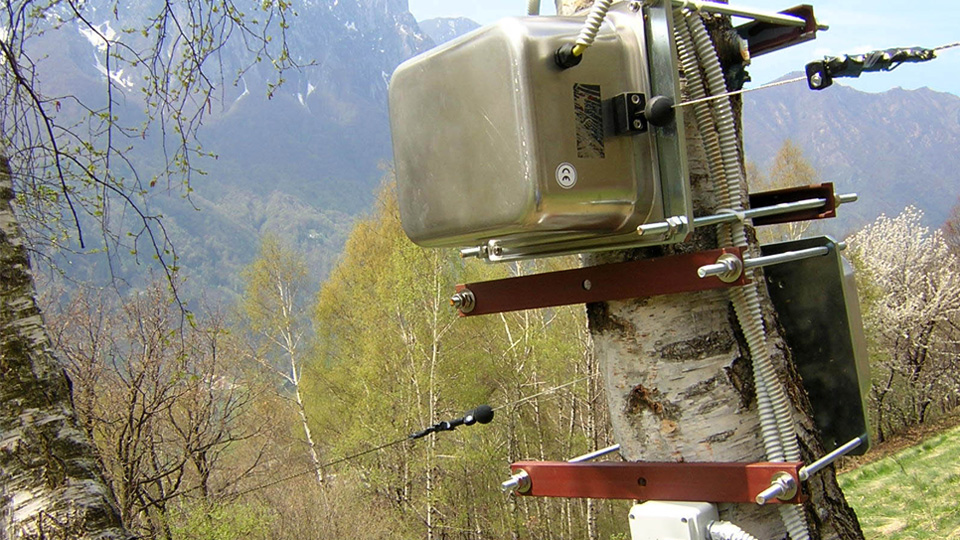
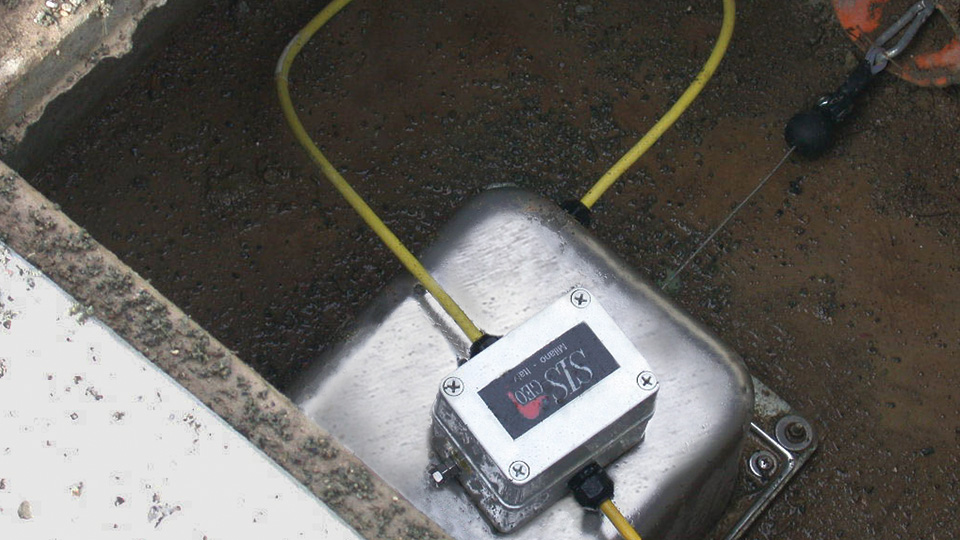
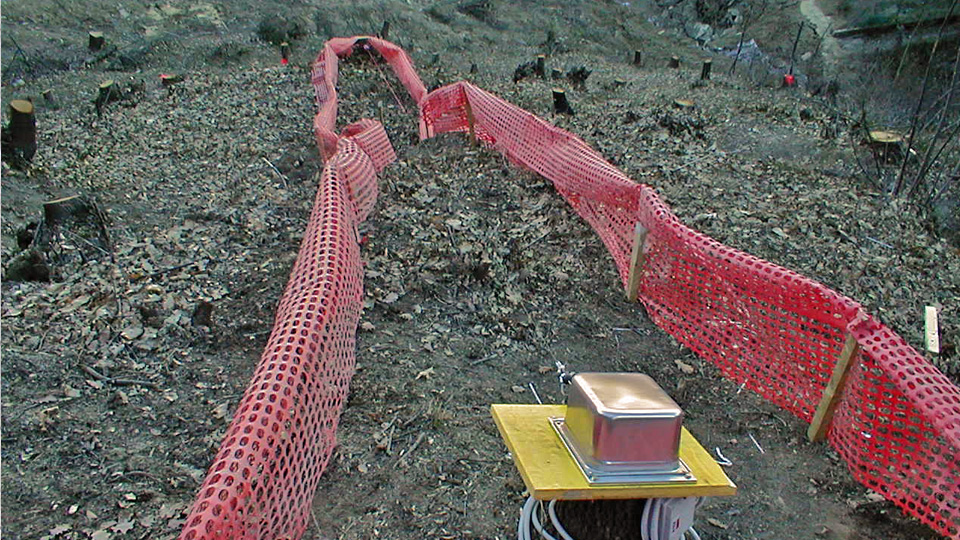
The wire crackmeter, also known as a wire extensometer, is designed to monitor the changes in the distance between two anchor points located up to 30 m apart. The wire crackmeter consists of a transducer, an opposing anchor, and a wire that runs between the transducer and the opposing anchor. The transducer is housed in a stainless steel enclosure and supplied with a mounting plate. The opposing anchor is an eyebolt expansion bolt. The wire is stainless steel and supplied with clip. More info.↗
Quantity
1
Specification
| Technology | rotative potentiometer and thermistor |
|---|---|
| Mechanical range | 2000 mm (6.5") |
| Electrical range | 240 mm (9.5") per complete rotation |
| Sensitivity | 0.03 mm |
| Accuracy | ± 1 mm (depends mainly on the thermal effect on the steel wire) |
| Repeatability | ± 0.03 mm |
| Signal output | 4-20 mA (current loop) for displacement, resistance for thermistor |
| Power supply | 12-24 V DC |
| Wire | stainless steel, Ø 2 mm |
| Maximum wire tension | 8 kg |
| Maximum wire length | up to 30 m with wire extension kit (distance between transducer and anchor target) |
| Operating temperature | -20°C +60°C |
| Housing size and protection | 380 x 270 x 160 mm (15 x 11 x 6.5"), IP65 |
| Anchors | No. 4 SL M 8 expansion bolts (Ø 14 mm) for transducer housing No.1 SL M 8 expansion eyebolt (Ø 14 mm) for opposing anchor |
| Material | stainless steel |
Downloads
| Sisgeo%20Wire%20Crackmeters | DownloadSisgeo%20Wire%20Crackmeters |
|---|