WETEC

Eureka

Blue Green Algae Sensors


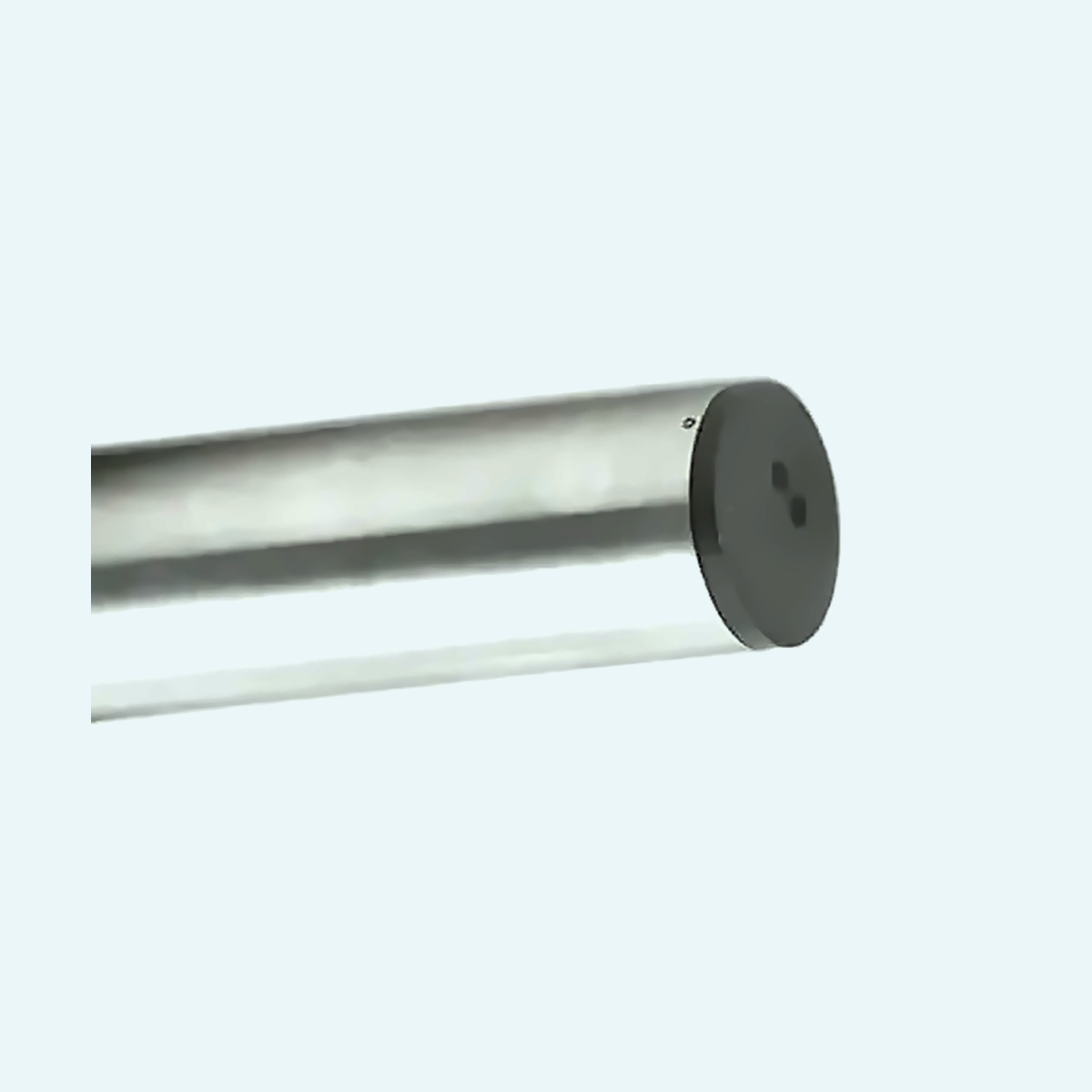
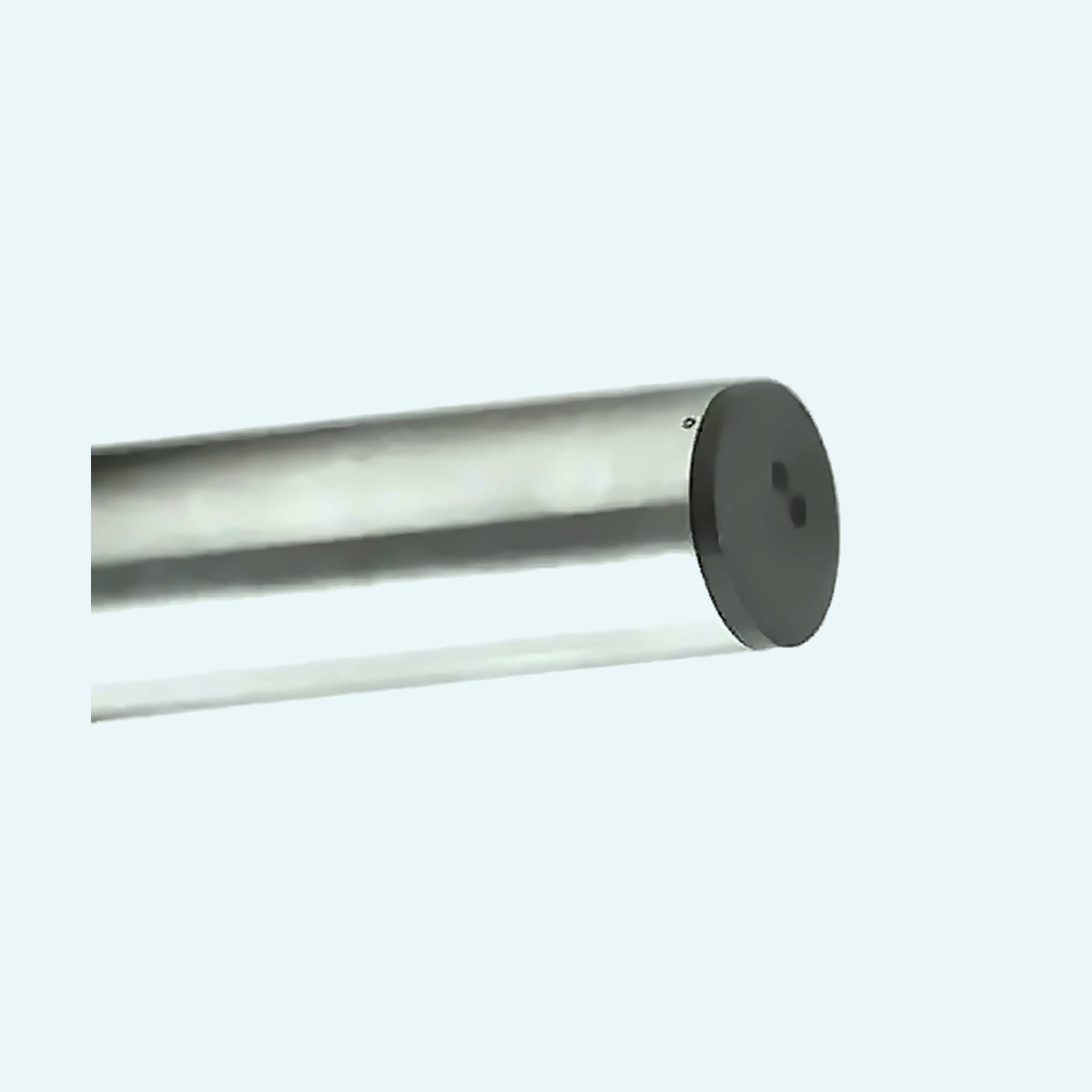
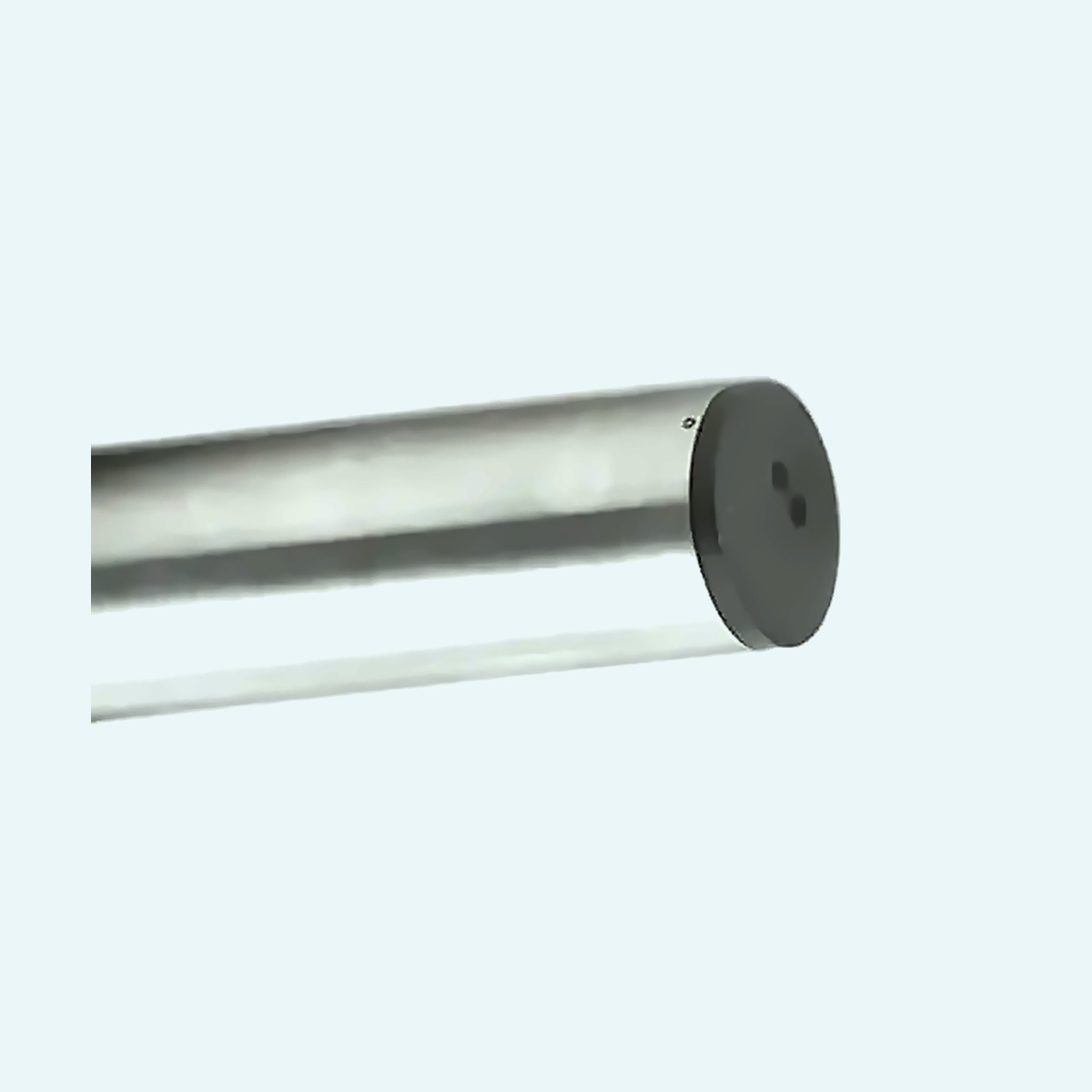
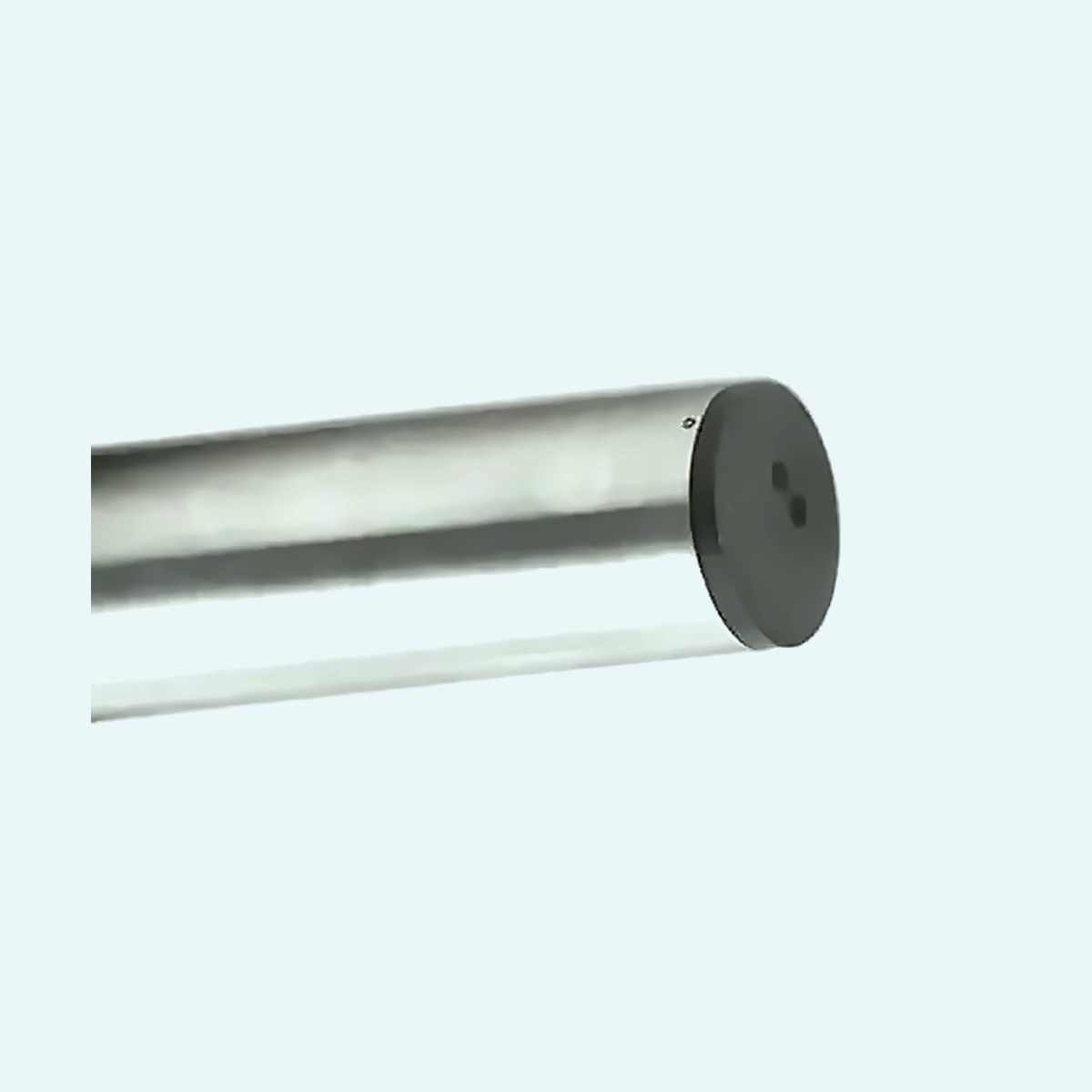
Fluorometric sensors for detecting and monitoring blue-green algae (cyanobacteria) in water.

  • Two sensor options: phycocyanin for freshwater, phycoerythrin for marine
  • Range: 0 to 2500 ppb phycocyanin, 0 to 700 ppb phycoerythrin
  • Resolution 0.01 ppb, linearity of 0.99 R²
  • Sensor life of 5+ years
Quantity
1

Overview

Solinst Eureka Blue Green Algae Sensors are fluorometric sensors for water quality sondes. Blue-green algae are cyanobacteria, and because chlorophyll fluorescence cannot be used to accurately determine cyanobacterial presence, measuring phycobilin concentrations is essential for detecting, quantifying and monitoring cyanobacterial levels. Two sensors are available: phycocyanin for freshwater and phycoerythrin for marine applications. The sensor installs in Manta+ multiprobes alongside other sensors, or in the Trimeter if only BGA monitoring is required.

Typical applications

  • Detecting, quantifying and monitoring cyanobacterial levels in natural waters
  • Scientific studies of cyanobacteria's roles in primary production, community structure, and spatial and temporal distribution
  • Tracking long-term blue-green algae trends, which can signal the need for more detailed chemical study of water bodies and their contamination sources
  • Freshwater monitoring of taxa such as Anabaena, Microcystis and Spirulina (phycocyanin)
  • Marine monitoring of species such as Synechococcus spp. (phycoerythrin)
  • Profiling and spot checking for daily surveys
  • Continuous deployment, with anti-fouling accessories

Key Features

  • Fluorometric sensor: emits light at one wavelength and measures the different wavelength returned, which relates to the amount of blue-green algae present
  • Phycocyanin (freshwater BGA) range: 0 to 2500 ppb
  • Phycoerythrin (marine BGA) range: 0 to 700 ppb
  • Resolution 0.01, linearity of 0.99 R², units in ppb
  • Three calibration options: lab-qualified algae sample, secondary solid standard cap ("cal cube"), or a transfer standard such as rhodamine
  • Sensor life of 5+ years
  • Anti-fouling options: universal wiper system and copper mesh sensor guard
  • Installs in Manta+ multiprobes alongside other sensors, or in the Trimeter if only BGA monitoring is required
  • Probes can be configured with battery packs for autonomous self-powered deployment, used with field displays for site-to-site spot checking, or connected to data telemetry stations for real-time remote monitoring

Benefits

  • Freshwater and marine options: Phycocyanin is abundant in freshwater taxa and phycoerythrin is dominant in marine species, so the sensor can match the water being monitored.
  • Targeted cyanobacteria detection: Phycobilin measurement is used because chlorophyll fluorescence cannot accurately determine cyanobacterial presence.
  • Flexible calibration: Calibrate directly to a known algae concentration, or use the indirect "cal cube" or transfer standard methods, which are fast and practical.
  • Long sensor life: Typical sensor life is 5+ years.
  • Suited to long deployments: Anti-fouling accessories address fouling, the biggest field problem for fluorescence sensors during extended deployments.
  • Flexible deployment: Use on a Manta+ multiprobe with other sensors, or on a Trimeter for BGA-only monitoring.

Specifications

SPECIFICATIONS


Sensor type

Fluorescence
Medium sensor

Range

Phycocyanin (freshwater BGA): 0 to 2500 ppb
Phycoerythrin (marine BGA): 0 to 700 ppb

Resolution

0.01

Accuracy

Linearity of 0.99 R²

Units

ppb

Calibration

Lab-qualified algae sample
Secondary solid standard cap ("cal cube")
Transfer standard, such as rhodamine (indirect method)

Maintenance

Cleaning and calibration

Sensor life

5+ years

Anti-fouling options

Universal wiper system, copper mesh sensor guard

Compatible probes

Manta+ multiprobes, alongside other sensors such as additional fluorometers, dissolved oxygen, pH and conductivity
Trimeter, if only BGA monitoring is required

Caution

Never look directly at a fluorometer sensor. The UV rays emitted by the sensor can cause eye damage.

Downloads

Fluorometers Family Datasheet (EN) DownloadFluorometers Family Datasheet (EN)