WETEC

Eureka

Crude Oil Sensors


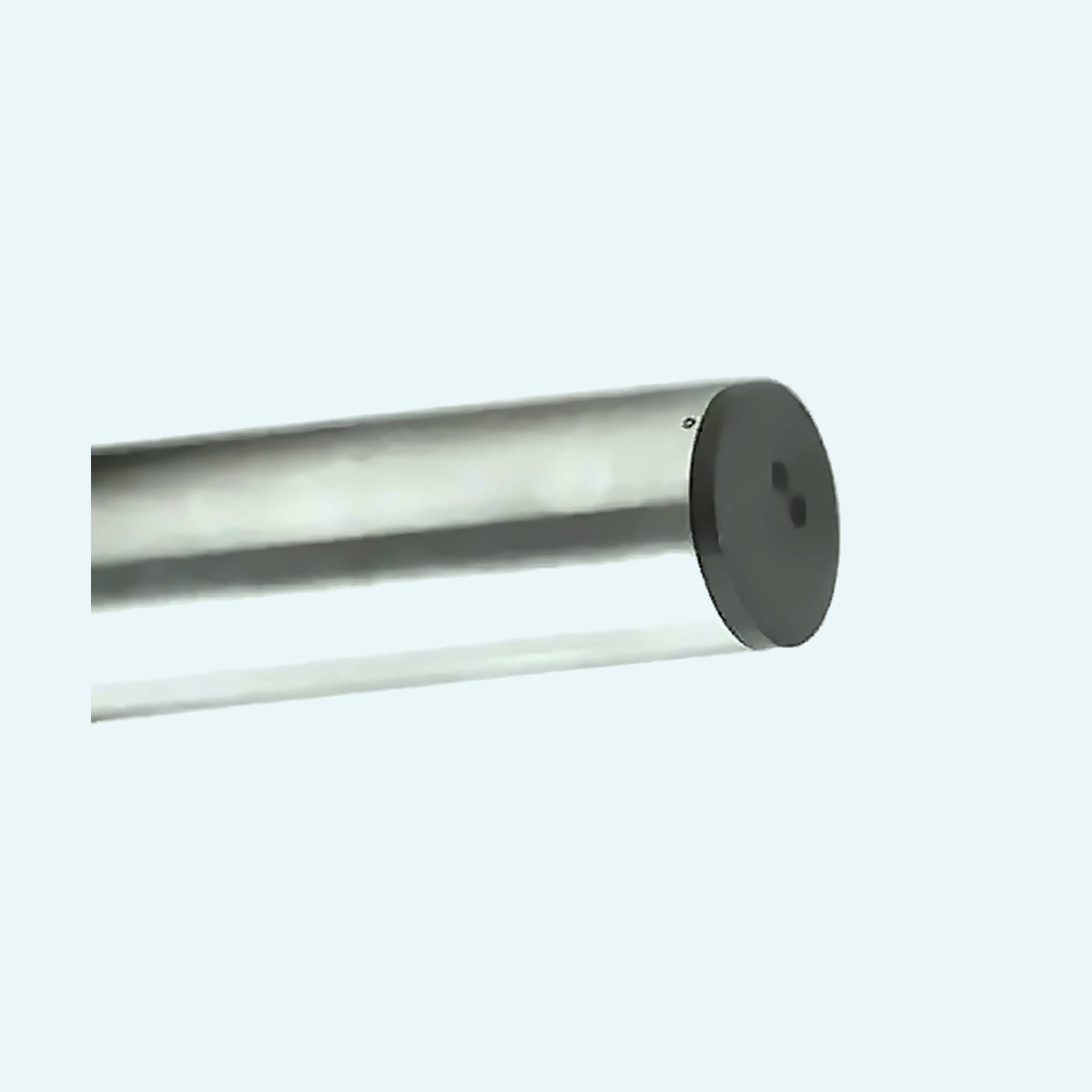
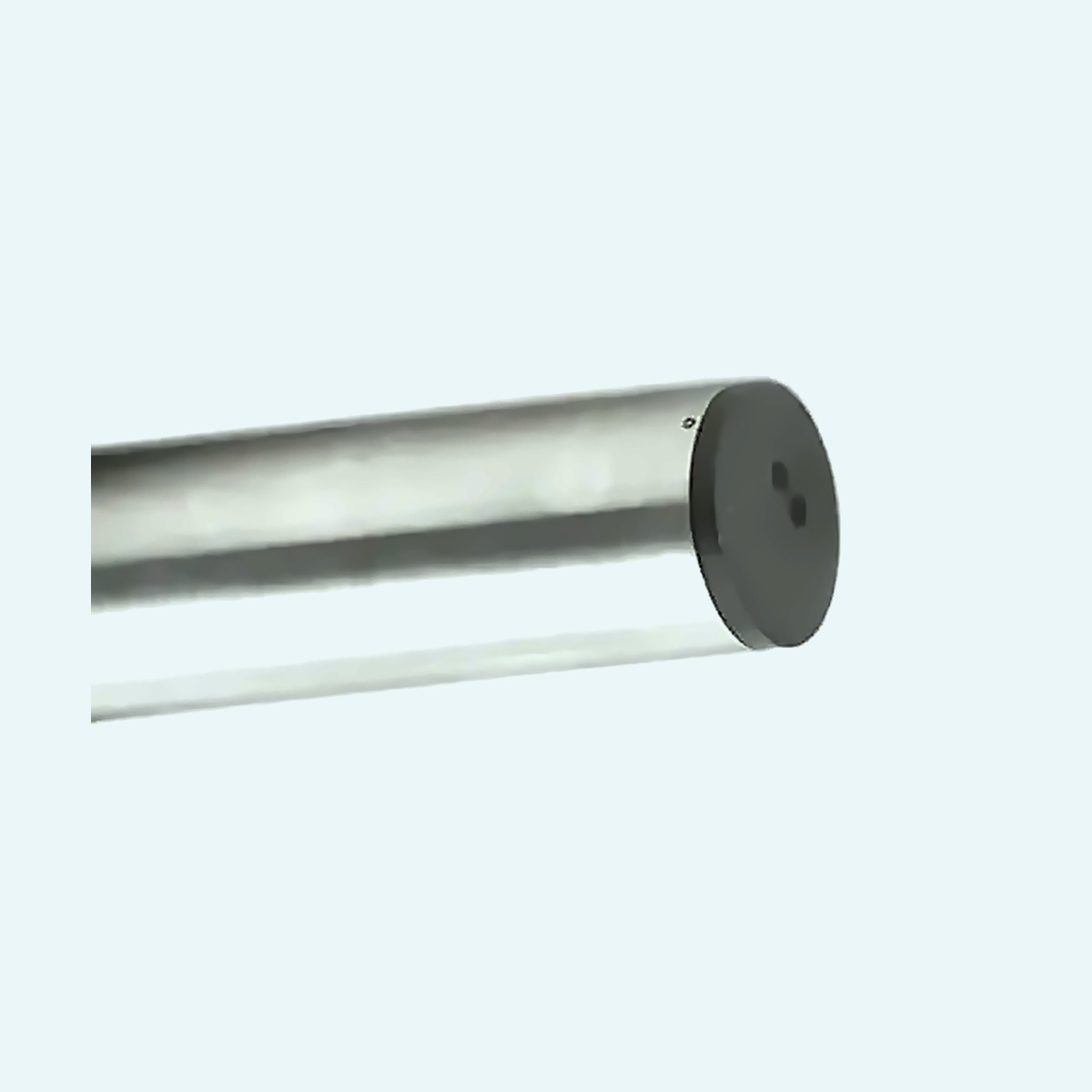
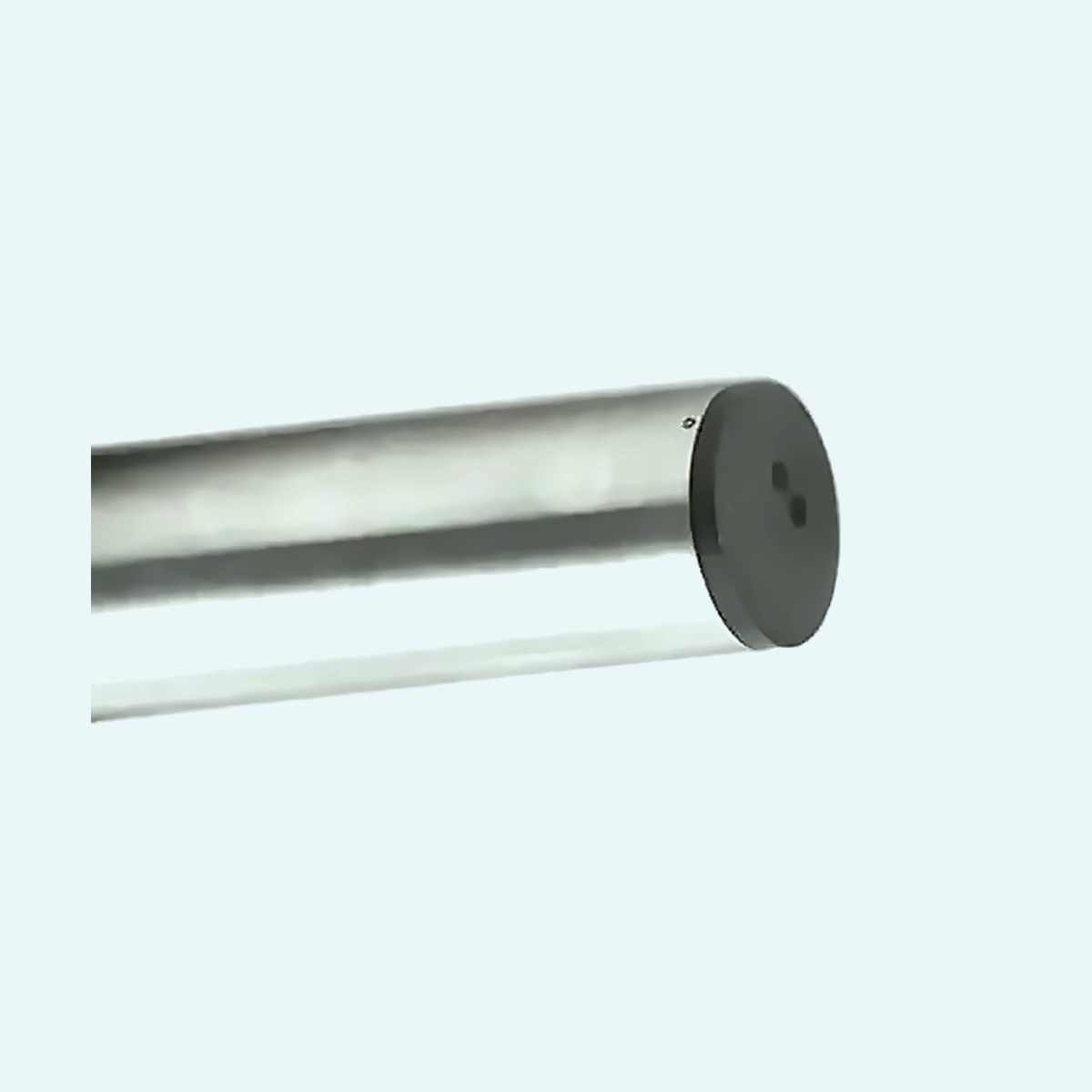
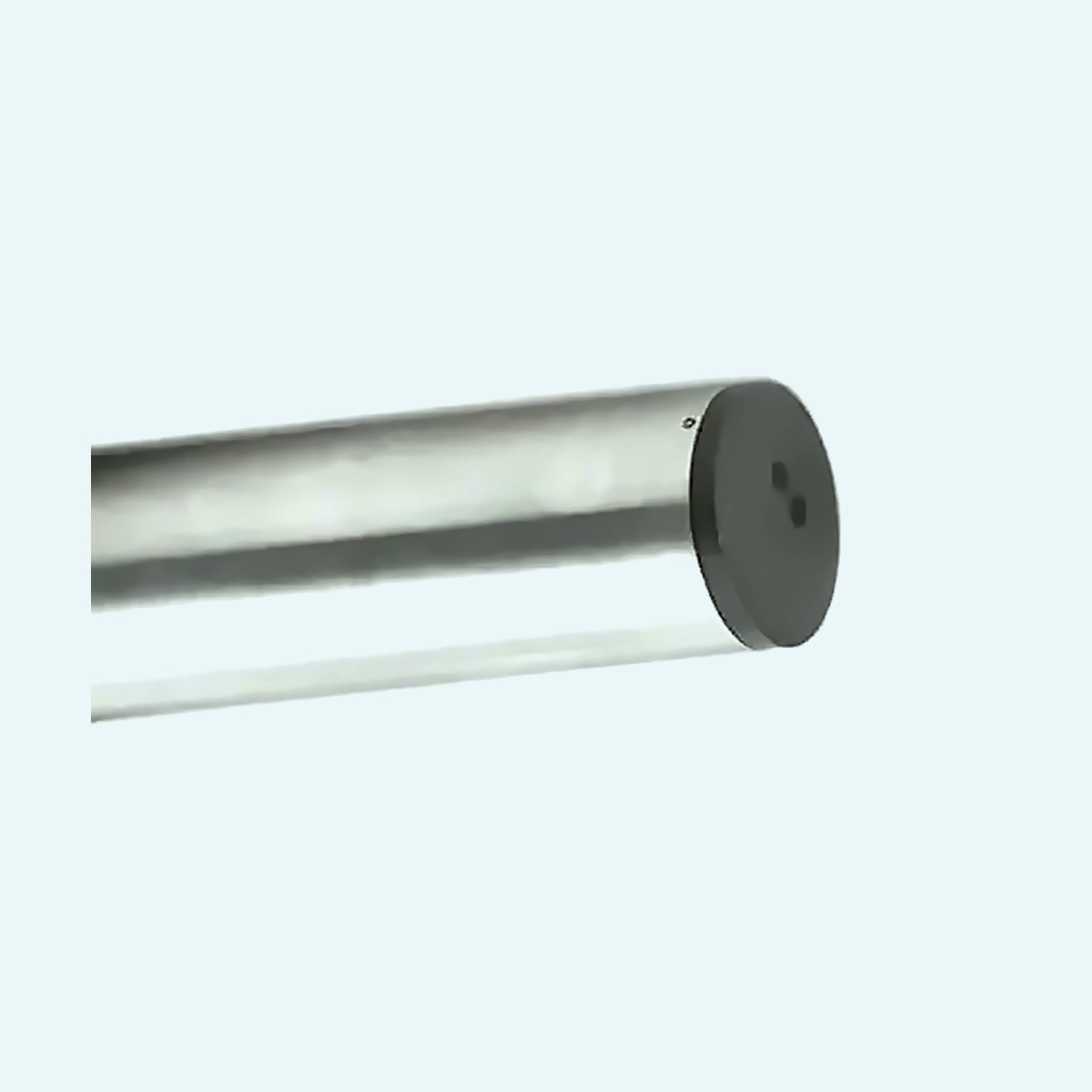
Fluorometric sensors for measuring crude oil in water.

  • Range: 0 to 300 ppb
  • Resolution 0.01, linearity of 0.99 R²
  • Sensor life of 5+ years
  • Installs in Manta+ multiprobes or stand-alone on the Trimeter
Quantity
1

Overview

Solinst Eureka Crude Oil Sensors are fluorometric sensors for water quality sondes. "Crude oil" is a catch-all term for unprocessed, natural petroleum, with various classes differing in chemical composition. Not all crude oil in water is the result of a spill, as natural seepage also occurs, and high concentrations can harm aquatic life. The sensor emits light at a certain wavelength and looks for a very specific, different wavelength in return. Changes in long-term crude oil trends can signal the need for more detailed chemical study of the water and its contamination sources. It can be installed in Manta+ multiprobes alongside other sensors, or on a smaller probe such as the Trimeter.

Typical applications

  • Monitoring crude oil in surface water
  • Tracking long-term crude oil trends to signal the need for more detailed chemical study of the water and its contamination sources

Key Features

  • Fluorometric sensor: emits light at a certain wavelength and looks for a very specific, different wavelength in return
  • Range: 0 to 300 ppb
  • Resolution 0.01, linearity of 0.99 R², units in ppb
  • Calibration with a lab-qualified sample or a secondary solid standard ("cal cube")
  • Maintenance: cleaning and calibration
  • Sensor life of 5+ years
  • Installs in Manta+ multiparameter sondes alongside other sensors such as additional fluorometers, dissolved oxygen, pH and conductivity, or on a smaller probe such as the Trimeter
  • Anti-fouling options: universal wiper system and copper mesh sensor guard
  • Probes can be configured with battery packs for autonomous self-powered deployment, used with field displays for site-to-site spot checking, or connected to data telemetry stations for real-time remote monitoring

Benefits

  • No dedicated fluorometer needed: The sensor can be installed in a Manta+ probe along with other sensors.
  • Flexible calibration: A known gravimetric standard, a lab-qualified sample or a "cal cube" can be used. If the response is linear, a single calibration is sufficient. If not, a calibration table can be created to match sensor readings to expected concentrations.
  • Flexible deployment: Self-powered logging, field displays for spot checking, or data telemetry for real-time remote monitoring.
  • Long sensor life: Typical sensor life is 5+ years.

Specifications

SPECIFICATIONS


Sensor type

Fluorescence
Medium sensor

Range

0 to 300 ppb

Resolution

0.01

Accuracy

Linearity of 0.99 R²

Units

ppb

Calibration

Lab-qualified sample
Secondary solid standard ("cal cube")

Calibration note

The fluorescence response varies with the source of the oil, so the best method is a standard of known gravimetric concentration that uses the type of oil expected in the field. Crude oil also "weathers", as lighter fractions such as benzene, xylene and toluene volatilize.

Sensor life

5+ years

Maintenance

Cleaning and calibration

Fouling

Foreign material on the active surface can reduce the emitted or received light, or give a false signal by fluorescing at the same wavelengths as crude oil. Normally a problem only in long-term deployments, not in daily surveys. Because crude oil can form a floating layer, take care not to coat the sensor with oil when introducing it to the water.

Anti-fouling options

Universal wiper system, copper mesh sensor guard

Compatible probes

Manta+ multiprobes, alongside other sensors such as additional fluorometers, dissolved oxygen, pH and conductivity
Trimeter, if only crude oil is required

Caution

Never look directly at a fluorometer sensor. The UV rays emitted by the sensor can cause eye damage.

Downloads

Fluorometers Family Datasheet (EN) DownloadFluorometers Family Datasheet (EN)