WETEC

Eureka

Rhodamine Sensors


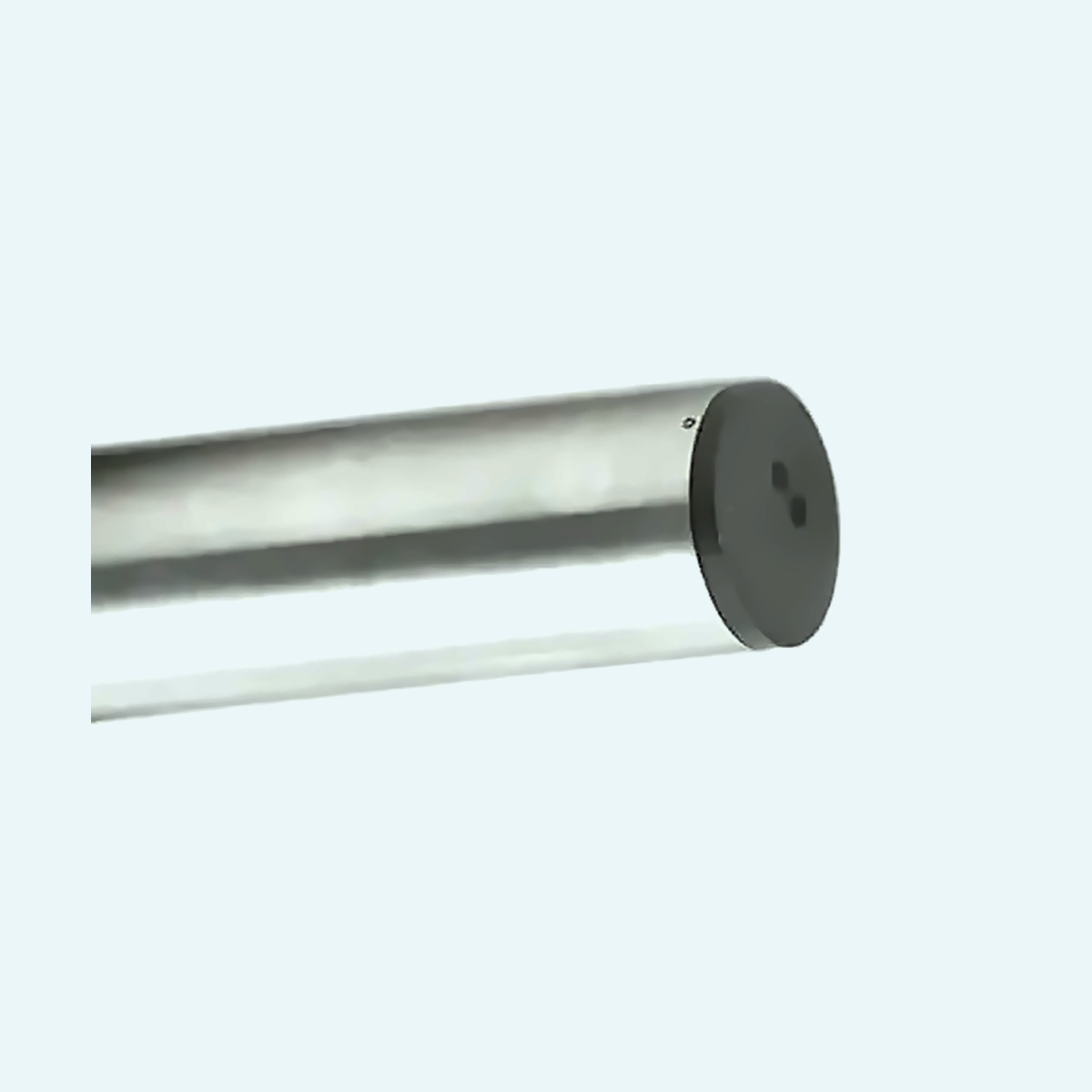
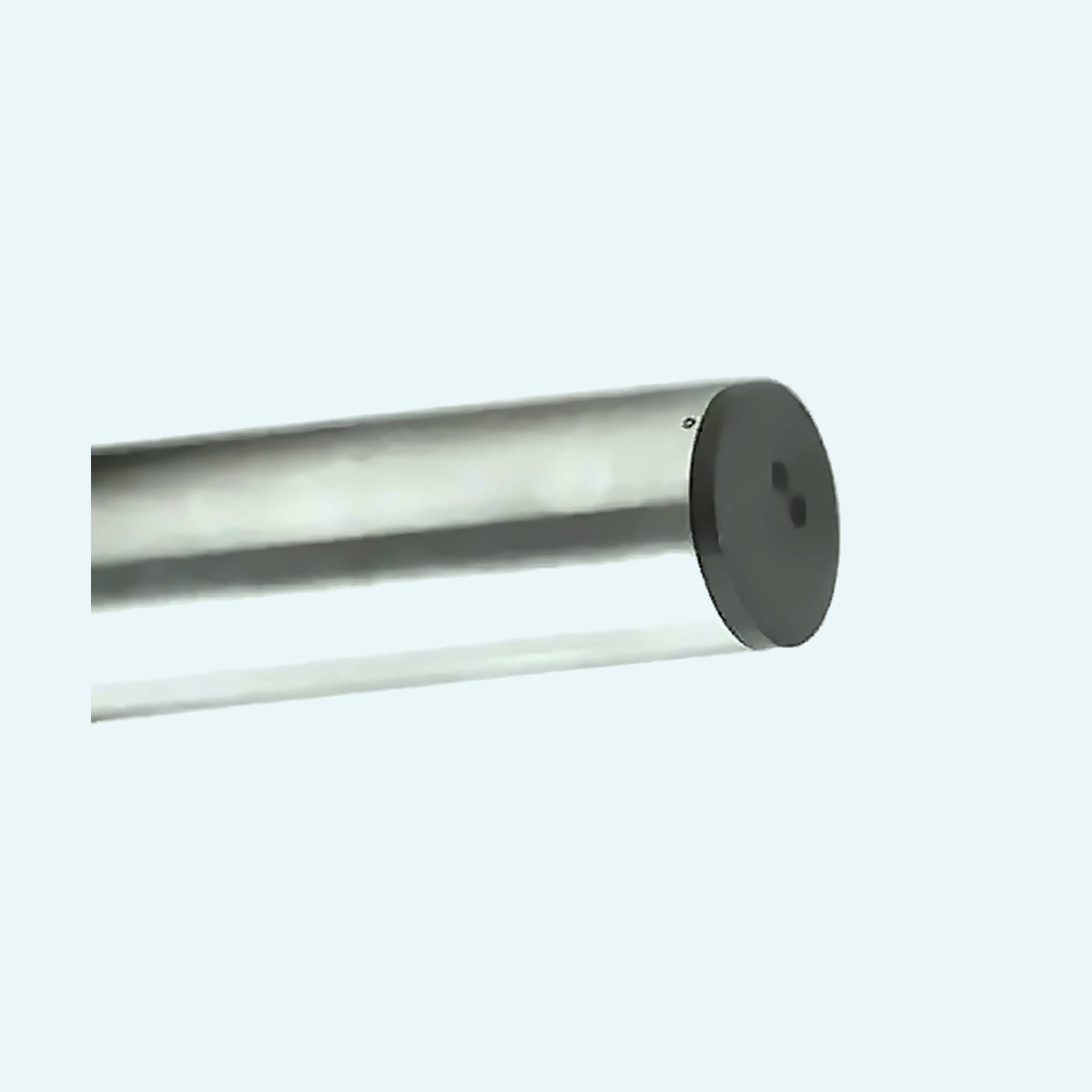
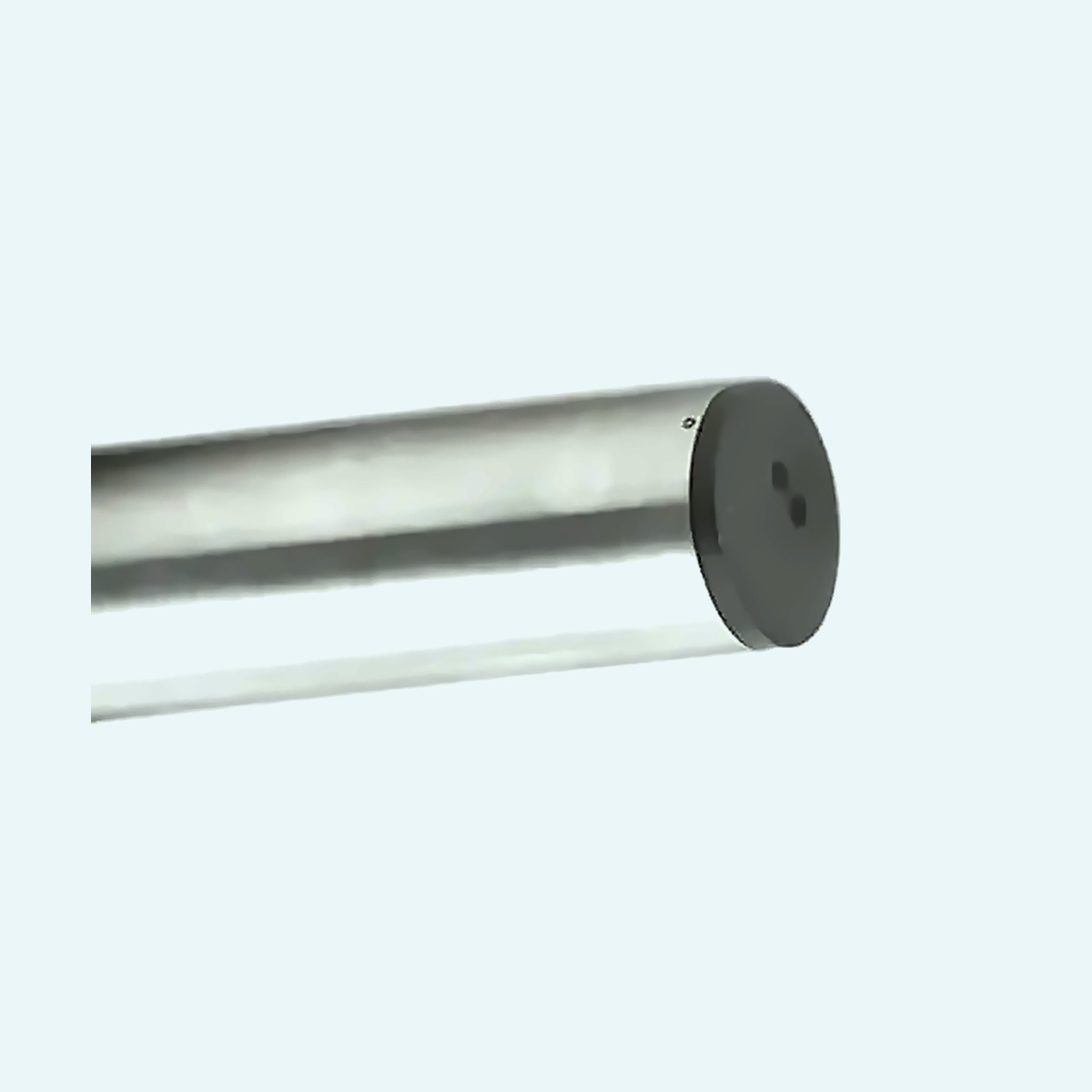
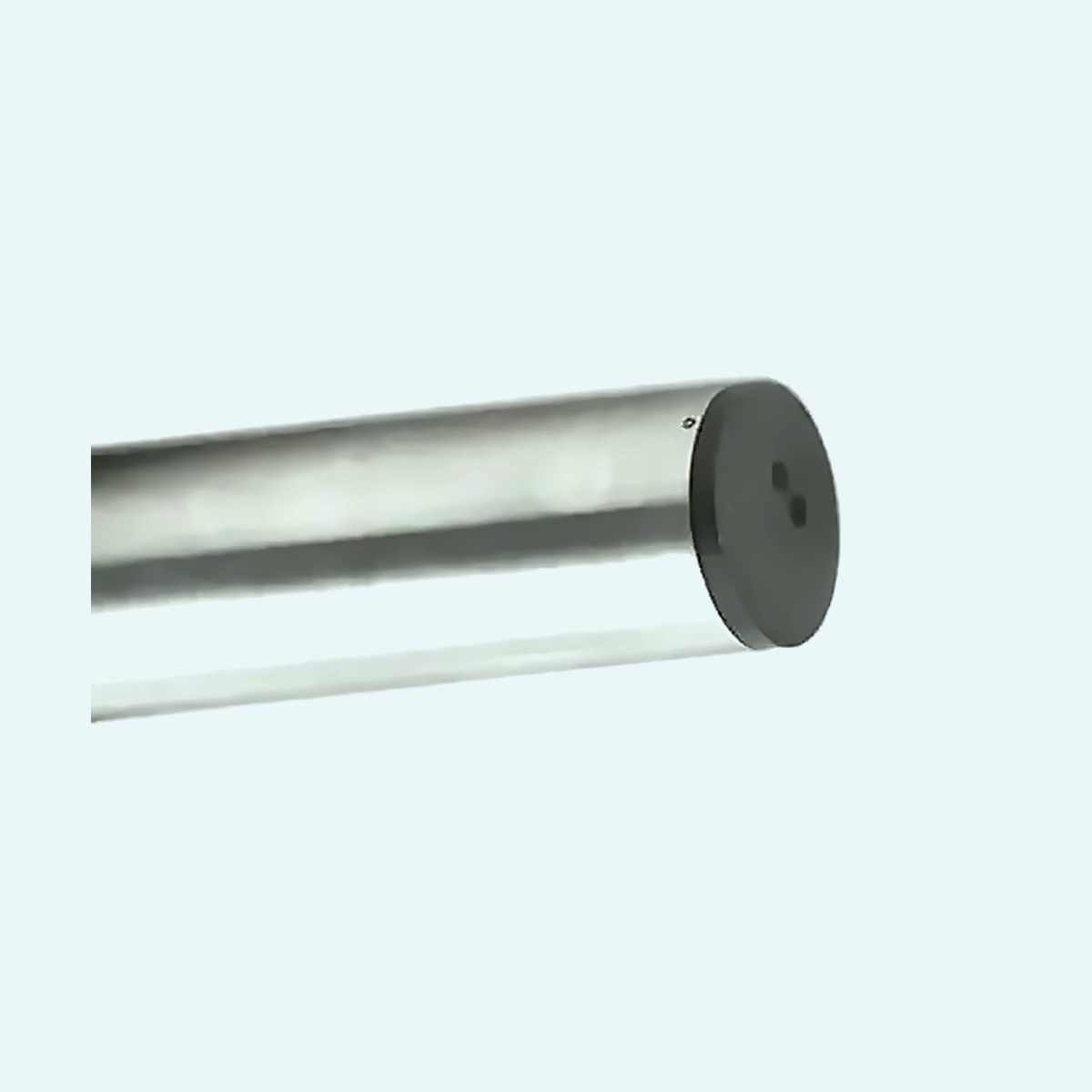
Fluorometric sensors for measuring rhodamine dye in water tracing studies.

  • Range: 0 to 200 ppb
  • Resolution 0.01, linearity of 0.99 R²
  • Sensor life of 5+ years
  • Installs in Manta+ multiprobes or stand-alone on the Trimeter
Quantity
1

Overview

Solinst Eureka Rhodamine Sensors are fluorometric sensors for water quality sondes, used to measure fluorescent rhodamine dye added to water systems to provide water discharge and velocity data. Rhodamine is a highly fluorescent material with the unique ability to absorb green light and emit red light, so interference from other substances is very rare, making it a highly specific tracer. The fluorometer shines green light on the sample and detects the red light emitted, which is proportional to the concentration of the dye. It can be installed in Manta+ multiprobes alongside other sensors, or stand-alone on the Trimeter.

Typical applications

  • Providing water discharge and velocity data with dye tracing studies
  • Studying and modeling surface and groundwater systems
  • Measuring water flows
  • Tracing contaminants in emergency response situations
  • Detecting leaks
  • Measuring tank retention times

Key Features

  • Fluorometric sensor: shines green light on the sample and detects the red light emitted
  • Range: 0 to 200 ppb
  • Resolution 0.01, linearity of 0.99 R², units in ppb
  • Calibration with a lab-qualified sample
  • Maintenance: cleaning and calibration
  • Sensor life of 5+ years
  • Installs in Manta+ multiprobes alongside other sensors such as turbidity, dissolved oxygen, pH and conductivity, or stand-alone on the Trimeter
  • Controlled by the Manta Control software, like other installed sensors
  • Anti-fouling options: universal wiper system and copper mesh sensor guard
  • Trimeter with internal battery pack for self-powered logging is a popular configuration for short and long term dye trace studies
  • Probes can be configured with battery packs for autonomous self-powered deployment, used with field displays for site-to-site spot checking, or connected to data telemetry stations for real-time remote monitoring

Benefits

  • Highly specific tracer: Very few compounds absorb green light and emit red light, so interference from other substances is very rare.
  • Ultra-low concentrations: Fluorometers allow researchers to measure ultra-low concentrations of dye.
  • On-site measurement: Rhodamine is easily measured on-site with a portable field-ready fluorometer such as the Manta+.
  • EPA approved dye: Rhodamine WT is approved for use by the Environmental Protection Agency.
  • No dedicated fluorometer needed: The sensor can be installed in a Manta+ probe along with other sensors.
  • Easy operation: The sensor is controlled by the Manta Control software, like other installed sensors.
  • Long sensor life: Typical sensor life is 5+ years.

Specifications

SPECIFICATIONS


Sensor type

Fluorescence
Medium sensor

Excitation and emission

Shines green light on the sample and detects the red light emitted

Range

0 to 200 ppb

Resolution

0.01

Accuracy

Linearity of 0.99 R²

Units

ppb

Calibration

Lab-qualified sample

Maintenance

Cleaning and calibration

Sensor life

5+ years

Anti-fouling options

Universal wiper system, copper mesh sensor guard

Compatible probes

Manta+ multiprobes, alongside other sensors such as turbidity, dissolved oxygen, pH and conductivity
Trimeter, if only rhodamine monitoring is required

Caution

Never look directly at a fluorometer sensor. The UV rays emitted by the sensor can cause eye damage.

Downloads

Fluorometers Family Datasheet (EN) DownloadFluorometers Family Datasheet (EN)