WETEC

Eureka

Chlorophyll Sensors


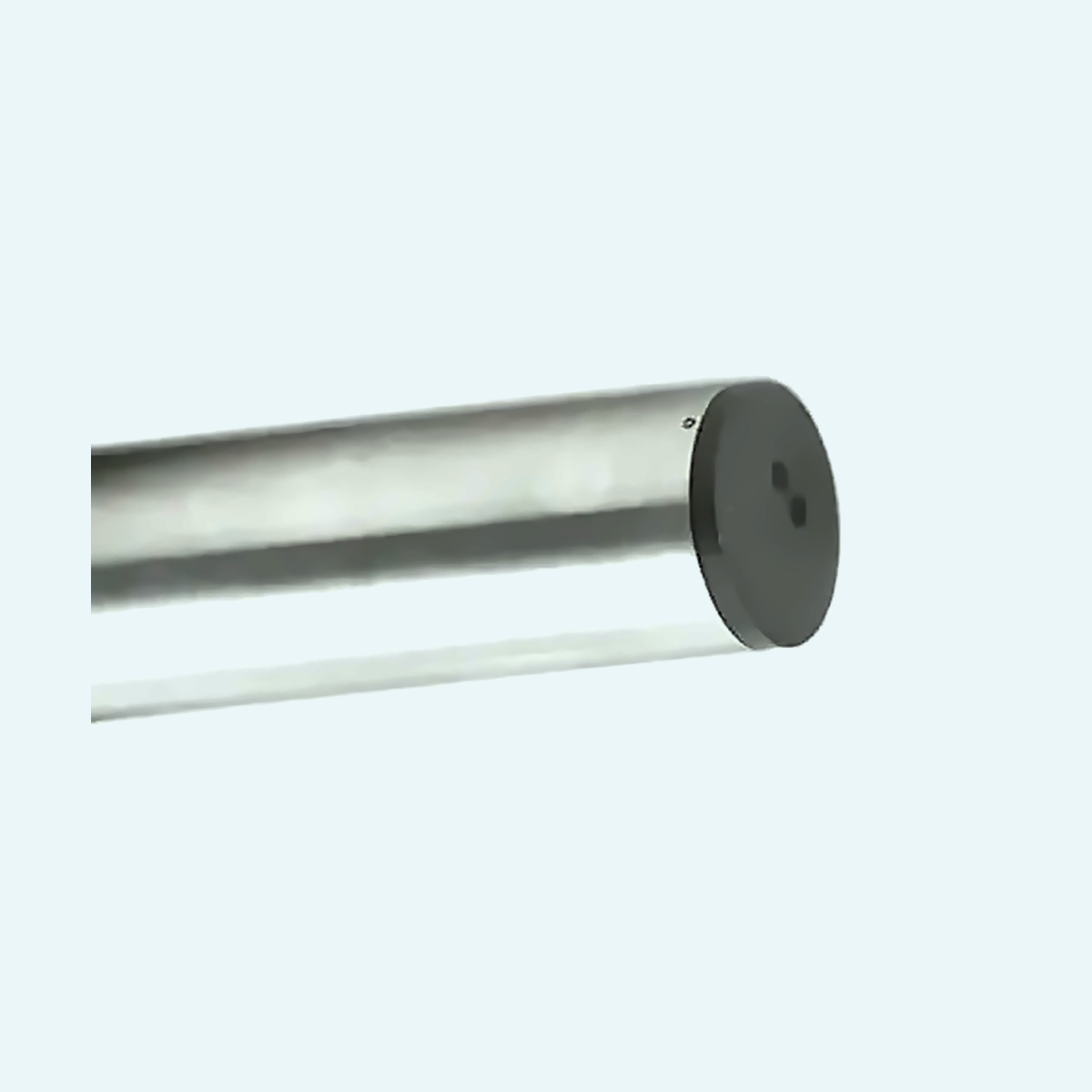
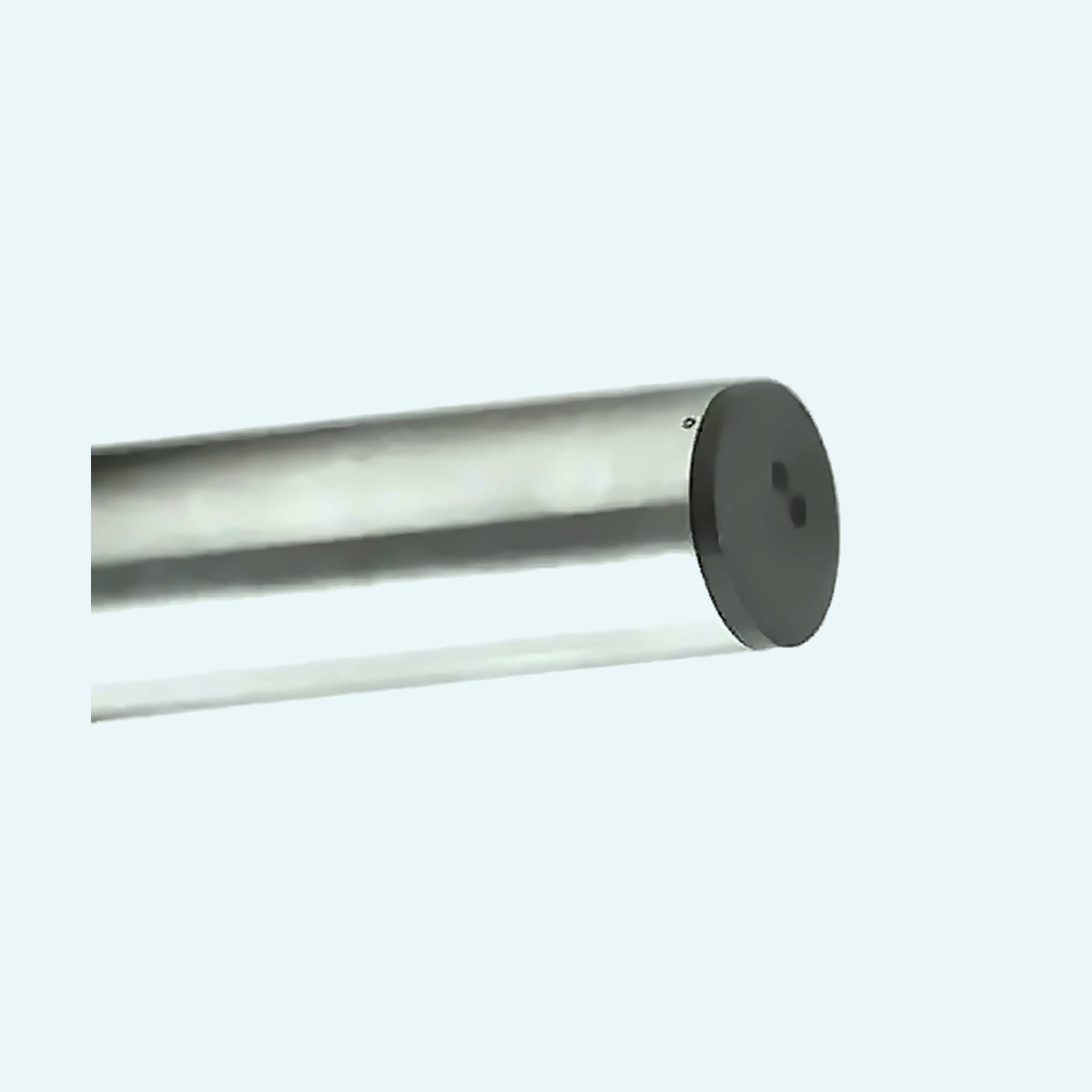
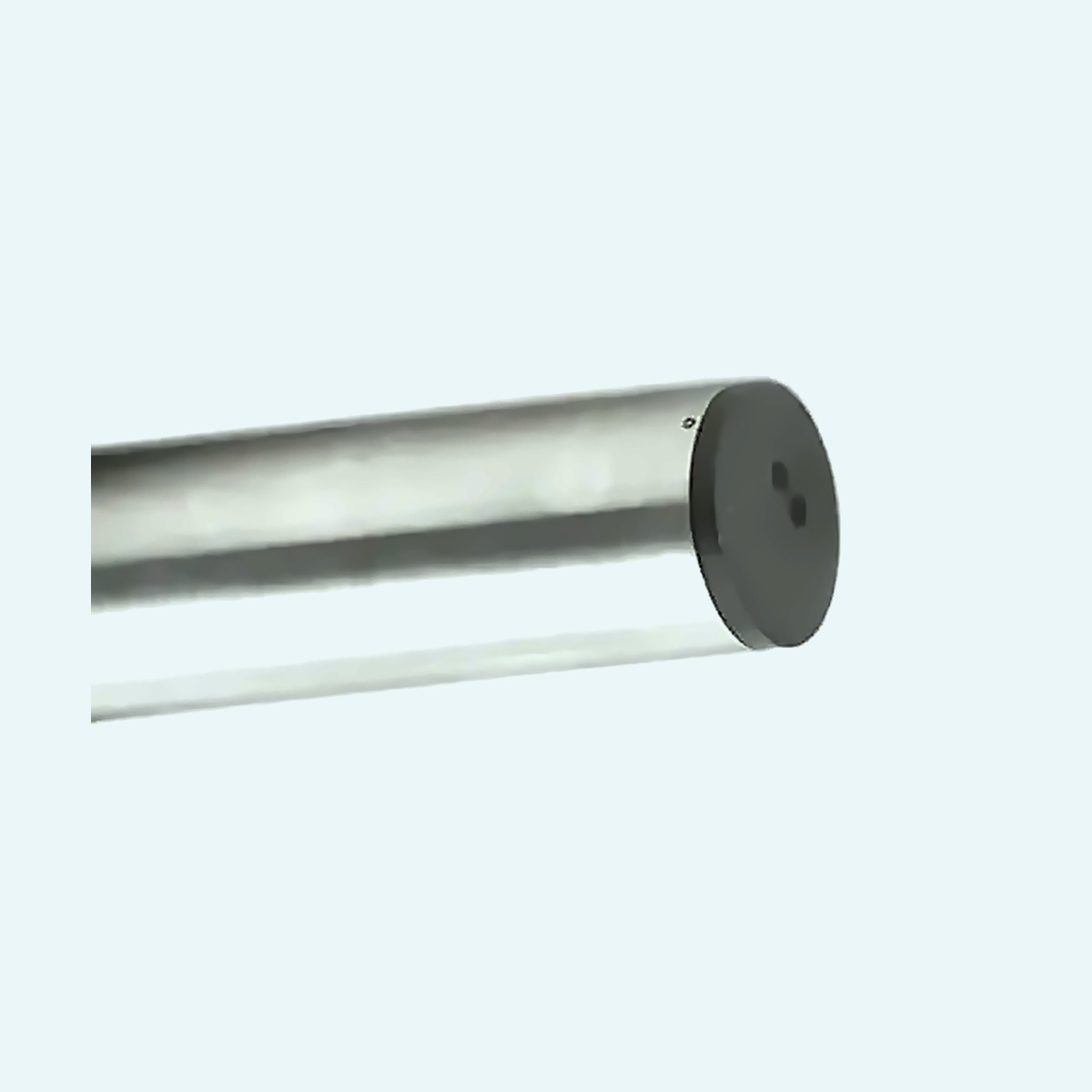
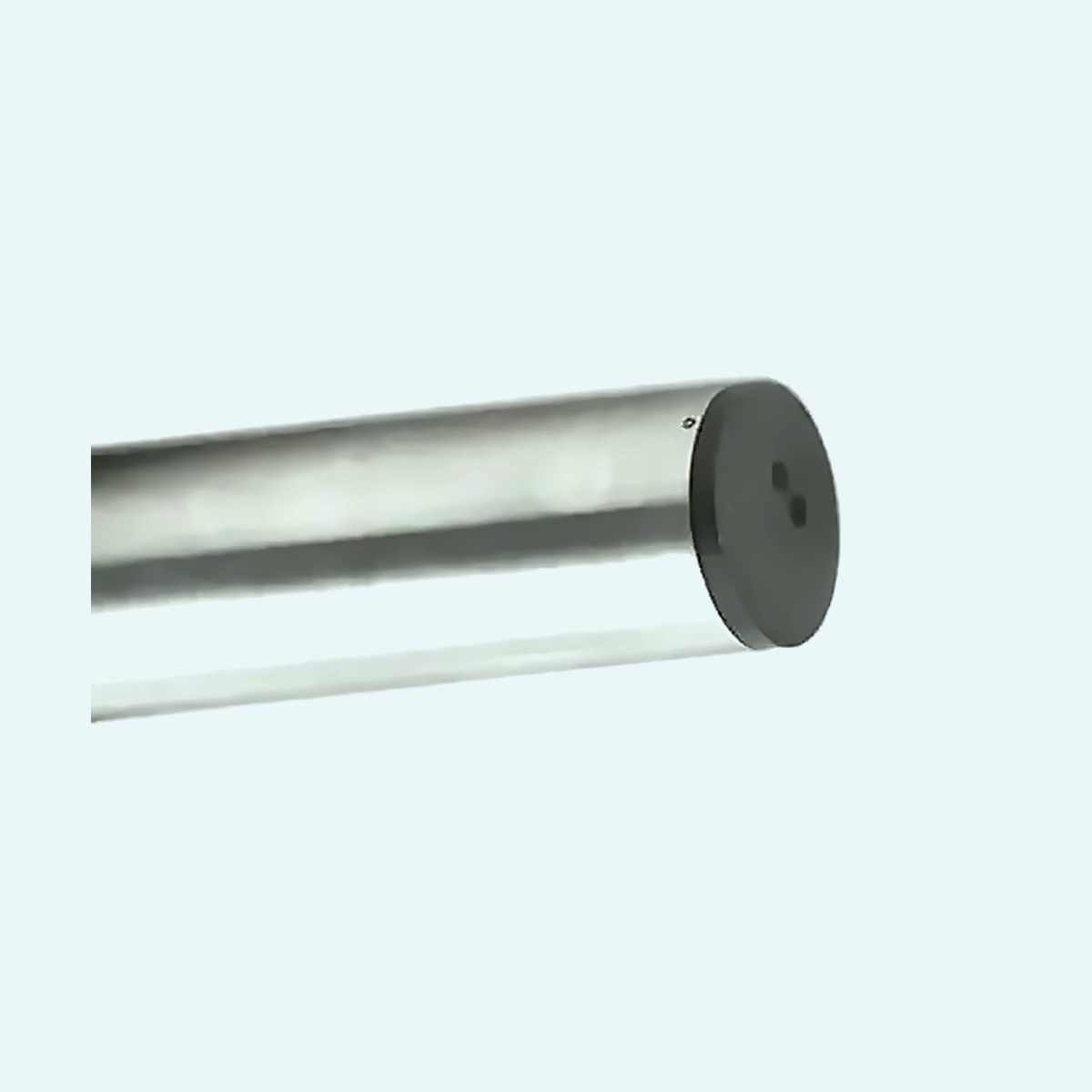
Fluorometric chlorophyll a sensors for Solinst Eureka water quality sondes.

  • Blue excitation (0 to 100 µg/l) and red excitation (0 to 500 µg/l) versions
  • Resolution of 0.01 and linearity of 0.99 R²
  • 5+ year sensor life
Quantity
1

Overview

The Solinst Eureka chlorophyll sensor is a fluorometric sensor tuned to chlorophyll a, the pigment in phytoplankton and algae that indicates the level of photosynthesis. The sensor emits light at a certain wavelength and looks for a different wavelength in return, so more chlorophyll produces more return light. It is offered in blue and red excitation versions and can be installed in Manta+ multiprobes along with other sensors, or on a smaller probe such as the Trimeter if only one fluorometer is needed.

Typical applications

  • Assessing phytoplankton (algae) populations and their distribution to draw conclusions about an aquatic system's health, composition and ecological status
  • Indicating the level of photosynthesis and primary production in a water body
  • Identifying eutrophic water bodies, where excessive chlorophyll levels are an indicator
  • Tracking long-term chlorophyll trends, which can signal the need for more detailed chemical study of the water and its contamination sources

Key Features

  • Fluorometric sensor tuned to chlorophyll a
  • Blue excitation (0 to 100 µg/l) and red excitation (0 to 500 µg/l) versions; both may be installed on the same multiprobe
  • Resolution of 0.01, with linearity of 0.99 R²
  • 5+ year sensor life
  • Calibrate with a lab-qualified chlorophyll sample or a secondary solid standard cap ("cal cube")
  • Installs in Manta+ multiprobes along with other sensors such as dissolved oxygen, pH and conductivity, or on a Trimeter
  • Controlled by the Manta Control software, like other installed sensors
  • Anti-fouling options: universal wiper system and copper mesh sensor guard

Benefits

  • Blue Excitation: Because algae maximally absorb blue light, the blue version is most often the choice. Its optical configuration allows the best sensitivity for fluorescence detection of algae.
  • Red Excitation: The red version effectively eliminates interference from dissolved and particulate organic matter (DOM/POM) and is significantly more sensitive to blue-green algae (cyanobacteria), making it a favorable choice for freshwater systems.
  • Comprehensive Data: Both chlorophyll sensors, blue and red, may be installed on the same multiprobe for a more comprehensive data set.
  • Flexible Deployment: Multiprobes can be configured with battery packs for autonomous self-powered deployment, used with field displays for site-to-site spot checking, or connected to data telemetry stations for real-time remote monitoring.

Specifications

SPECIFICATIONS


Sensor type

Fluorescence; tuned to chlorophyll a
Medium sensor

Range

Blue excitation: 0 to 100 µg/l
Red excitation: 0 to 500 µg/l

Resolution

0.01

Accuracy

Linearity of 0.99 R²

Units

µg/l

Calibration

Lab-qualified chlorophyll sample
Secondary solid standard cap ("cal cube")
Transfer standard, such as rhodamine (indirect method)

Maintenance

Cleaning and calibration

Sensor life

5+ years

Anti-fouling options

Universal wiper system, copper mesh sensor guard

Compatible probes

Manta+ multiprobes, along with other sensors such as additional fluorometers, dissolved oxygen, pH and conductivity
Trimeter, when only one fluorometer is needed
Both blue and red chlorophyll sensors may be installed on the same multiprobe

Caution

Never look directly at a fluorometer sensor. The UV rays emitted by the sensor can cause eye damage.

Downloads

Fluorometers Family Datasheet (EN) DownloadFluorometers Family Datasheet (EN)