WETEC

Eureka

Tryptophan Sensors


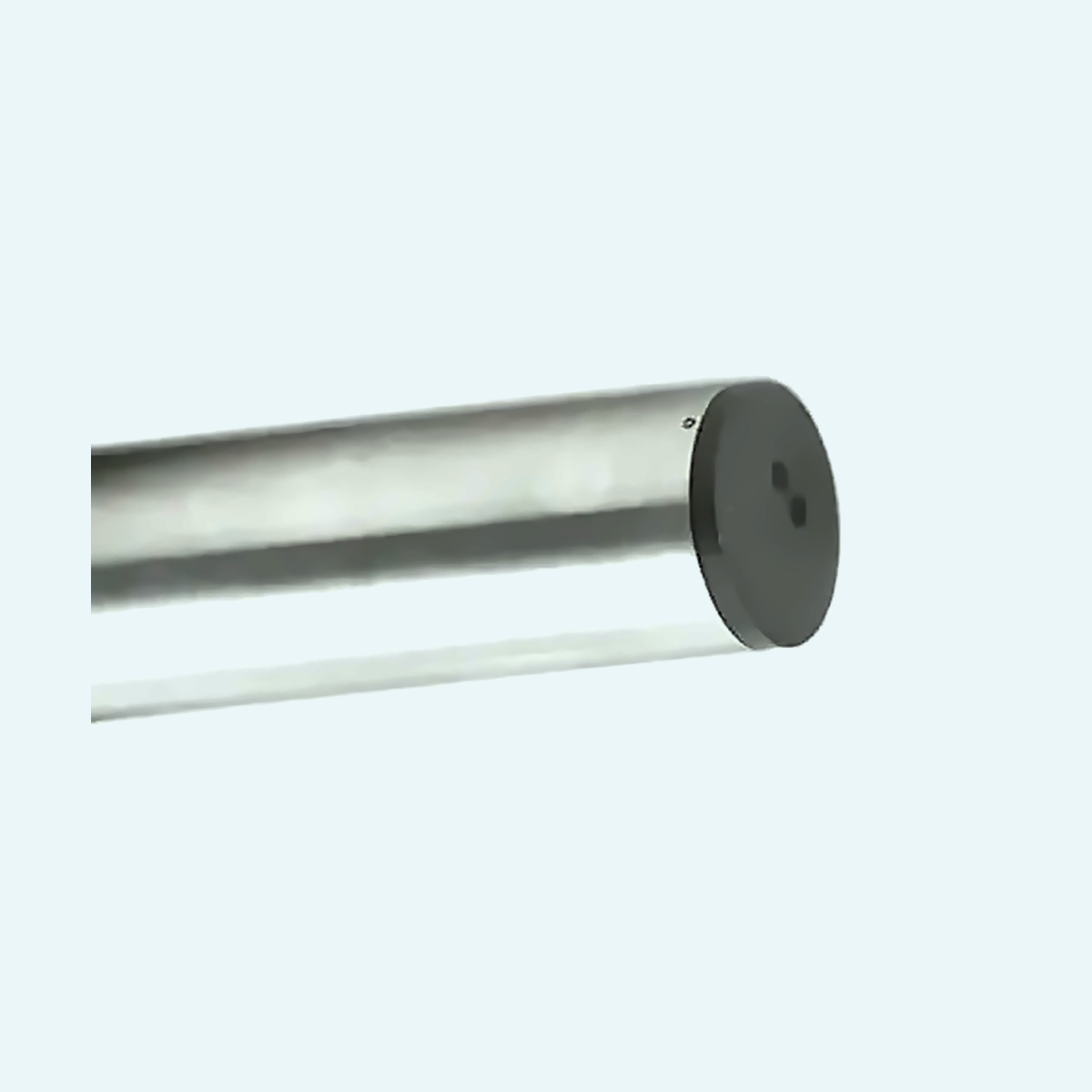
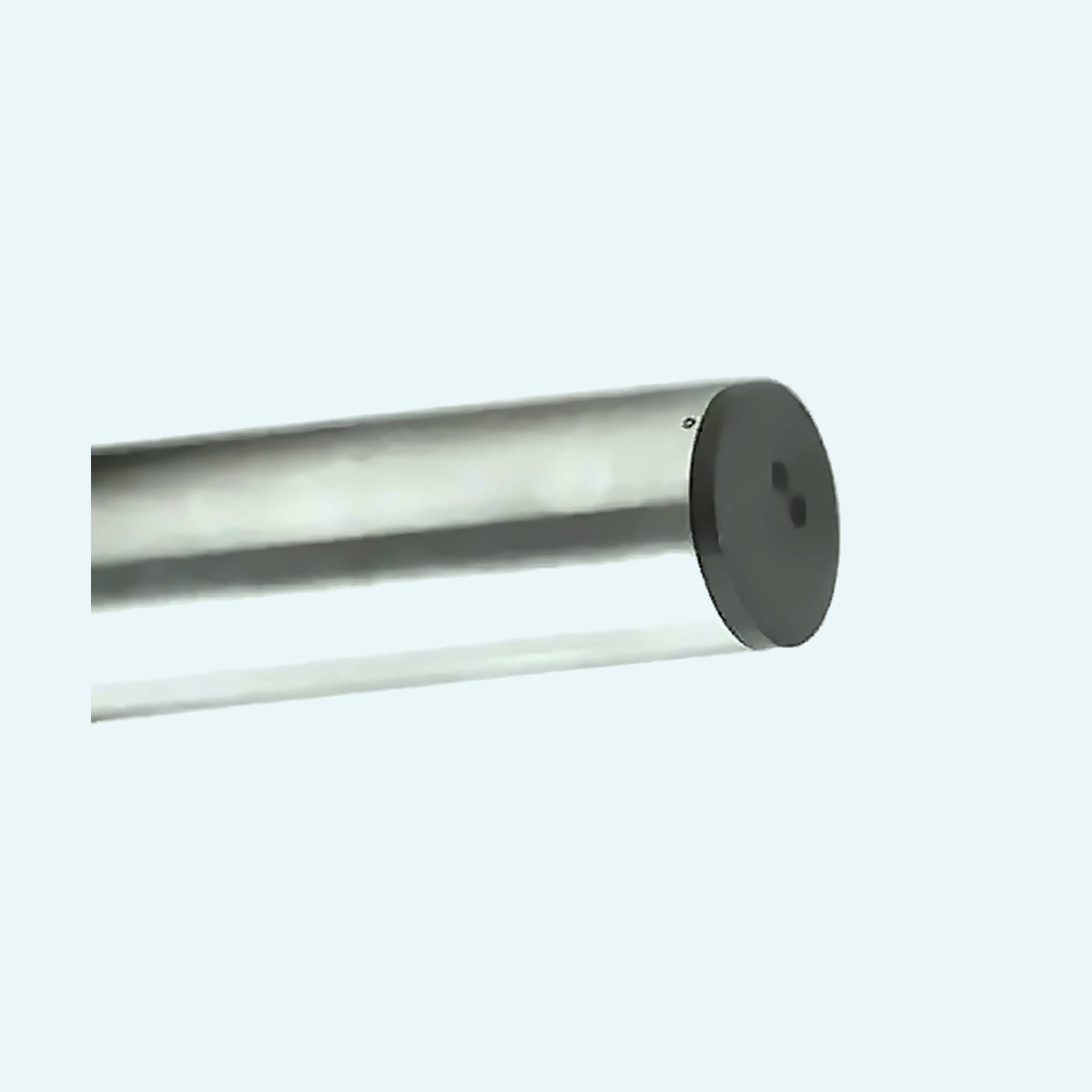
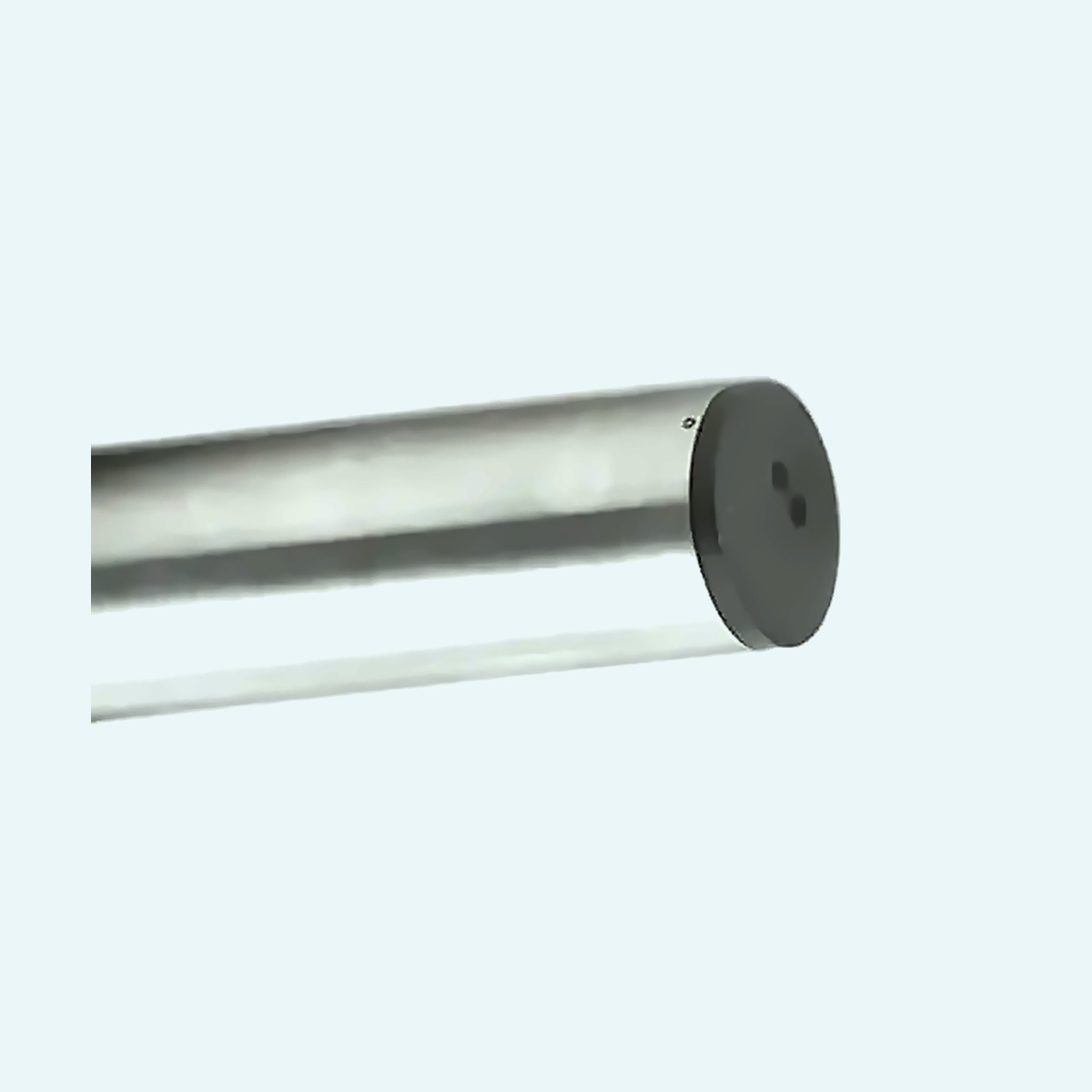
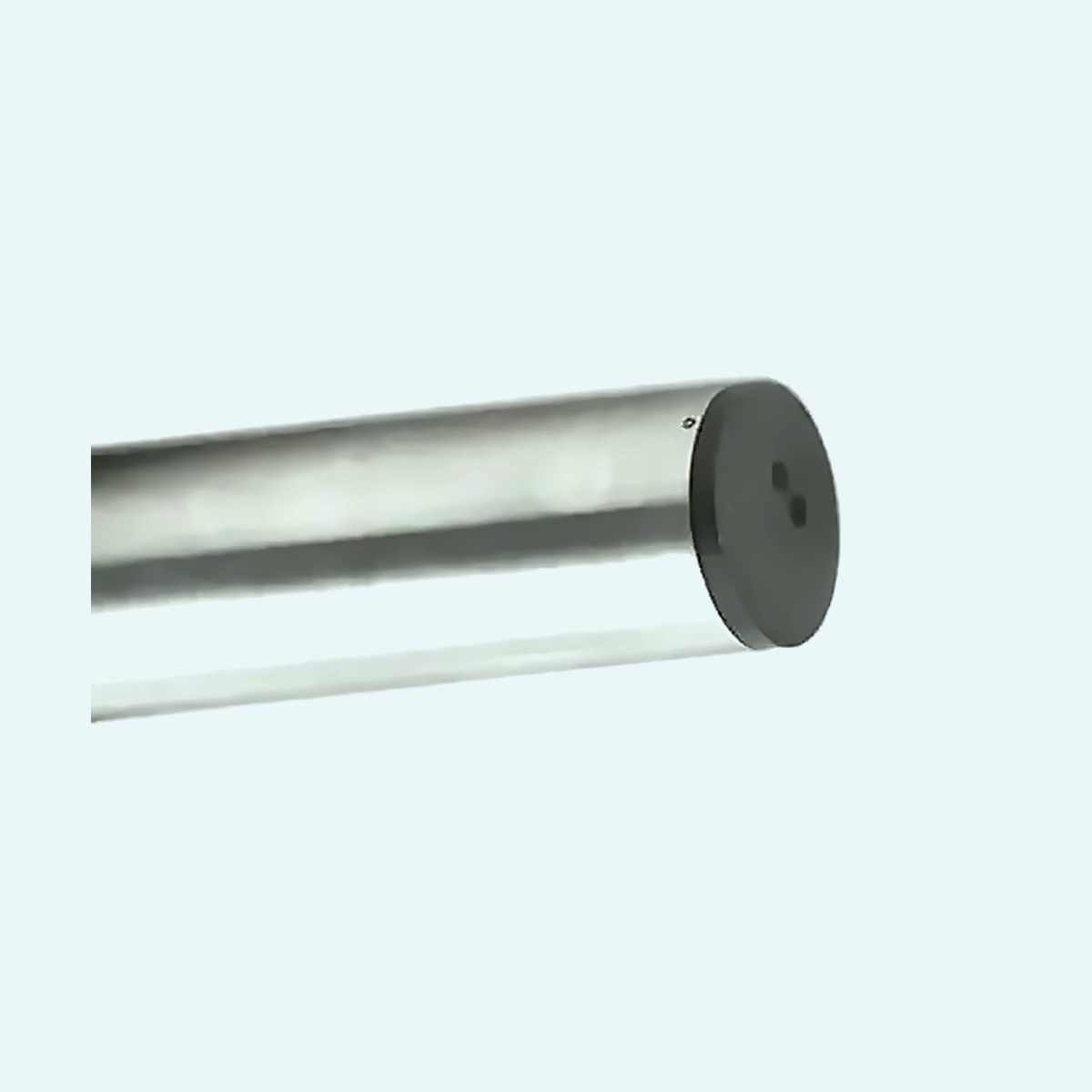
Fluorometric sensors for measuring tryptophan, a protein-like organic matter, in water.

  • Range: 0 to 5000 ppb, with a limit of detection of 3 ppb
  • Resolution 0.01, linearity of 0.99 R²
  • Sensor life of 5+ years
  • Installs in Manta+ multiprobes or stand-alone on the Trimeter
Quantity
1

Overview

Solinst Eureka Tryptophan Sensors are fluorometric sensors for water quality sondes. Tryptophan is an amino acid dissolved in water that has a specific excitation and emission. It is classified as protein-like organic matter, and sources may include water systems with high biological activity and wastewater or industrial discharge. The sensor outputs a 0-5 volt analog signal proportional to the fluorescence response of the tryptophan, which the probe converts to a digital format to measure tryptophan in concentrations of 0 to 5000 ppb. It can be installed in Manta+ multiprobes alongside other sensors, or stand-alone on the Trimeter.

Typical applications

  • Tracking wastewater effluent, which may significantly impact habitats and wildlife
  • Identifying the presence or absence of protein-like organic matter that may indicate wastewater discharge, with a limit of detection of 3 ppb
  • Monitoring water systems with high biological activity
  • Detecting wastewater or industrial discharge
  • Studies of real-time tryptophan fluorescence, with correlation coefficients, to translate to Total Coliforms in recreational waters (studies are underway)

Key Features

  • Fluorometric sensor: emits light at one wavelength and measures the different wavelength returned
  • Range: 0 to 5000 ppb, with a limit of detection of 3 ppb
  • 0-5 volt analog output, proportional to the fluorescence response, converted to digital by the probe
  • Resolution 0.01, linearity of 0.99 R², units in ppb
  • Calibration with a lab-qualified sample
  • Maintenance: occasional cleaning
  • Sensor life of 5+ years
  • Installs in Manta+ multiprobes alongside other sensors such as additional fluorometers, turbidity, dissolved oxygen, pH and conductivity, or stand-alone on the Trimeter
  • Controlled by the Manta Control software, like other installed sensors
  • Anti-fouling options: wiper system and copper mesh sensor guards
  • Probes can be configured with battery packs for autonomous self-powered deployment, used with field displays for site-to-site spot checking, or connected to data telemetry stations for real-time remote monitoring

Benefits

  • Low-level detection: The sensor detects tryptophan down to a limit of detection of 3 ppb, the low-level range needed to identify protein-like organic matter that may indicate wastewater discharge.
  • Simple measure of response: It gives a simple measure of fluorescence response and relative changes of tryptophan in water.
  • No dedicated fluorometer needed: The sensor can be installed in a Manta+ probe along with other sensors.
  • Easy operation: The sensor is controlled by the Manta Control software, like other installed sensors.
  • Low maintenance: Maintenance is occasional cleaning.
  • Long sensor life: Typical sensor life is 5+ years.

Specifications

SPECIFICATIONS


Sensor type

Fluorescence
Medium sensor

Range

0 to 5000 ppb

Limit of detection

3 ppb

Output signal

0-5 volt analog, converted to digital by the probe

Resolution

0.01

Accuracy

Linearity of 0.99 R²

Units

ppb

Calibration

Lab-qualified sample

Maintenance

Occasional cleaning

Sensor life

5+ years

Anti-fouling options

Wiper system, copper mesh sensor guards

Compatible probes

Manta+ multiprobes, alongside other sensors such as additional fluorometers, turbidity, dissolved oxygen, pH and conductivity
Trimeter, if only tryptophan monitoring is required

Caution

Never look directly at a fluorometer sensor. The UV rays emitted by the sensor can cause eye damage.

Downloads

Fluorometers Family Datasheet (EN) DownloadFluorometers Family Datasheet (EN)